Notice Window Compression
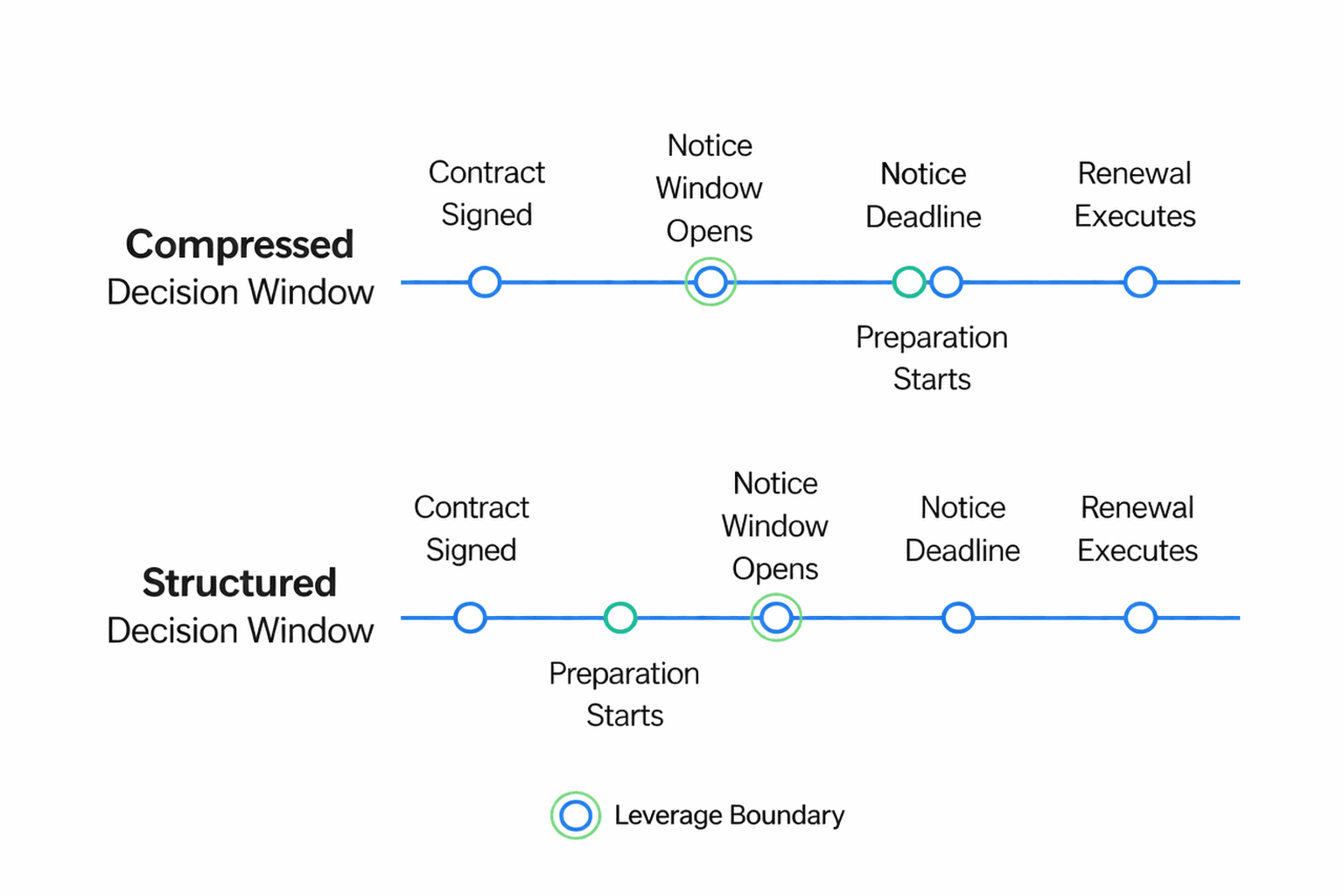
When renewal preparation starts too late to change outcomes.
Author: Venduris team
What this signal means
Notice window compression happens when renewal preparation begins close to — or after — the contractual notice deadline.
At that point, pricing, scope, and commitment structure are no longer negotiable in practice, even if discussions are still happening.
The renewal outcome becomes procedural instead of strategic.
Why it matters
Most software contracts do not become expensive because of vendor pricing.
They become expensive because the decision window closes before evaluation begins.
Once the notice deadline passes:
alternatives are harder to evaluate
internal alignment becomes rushed
vendors control negotiation timing
auto-renew clauses take effect
pricing resets become likely
In many organizations, renewal leverage disappears weeks before anyone realizes a decision was required.
Where it typically appears
Notice window compression is common when:
renewal ownership is unclear between Finance, IT, and Operations
renewal dates are tracked but notice deadlines are not
usage reviews happen after vendor outreach begins
contract calendars exist without preparation workflows
renewals are treated as administrative checkpoints instead of decision windows
These conditions shift control of timing from the buyer to the vendor.
What strong teams do differently
Organizations with structured renewal workflows begin preparation 90–180 days before the notice deadline.
They typically:
track notice deadlines alongside renewal dates
review usage before vendor engagement
confirm stakeholder alignment early
evaluate alternatives before negotiation starts
define a decision strategy before the renewal window opens
Preparation timing determines negotiation leverage more than pricing tactics.
How Venduris detects this signal
Venduris tracks renewal timelines relative to contractual notice deadlines and highlights contracts approaching decision windows without preparation activity.
This allows teams to identify compressed renewal cycles early and restore negotiation optionality before leverage disappears.
Explore related renewal signals
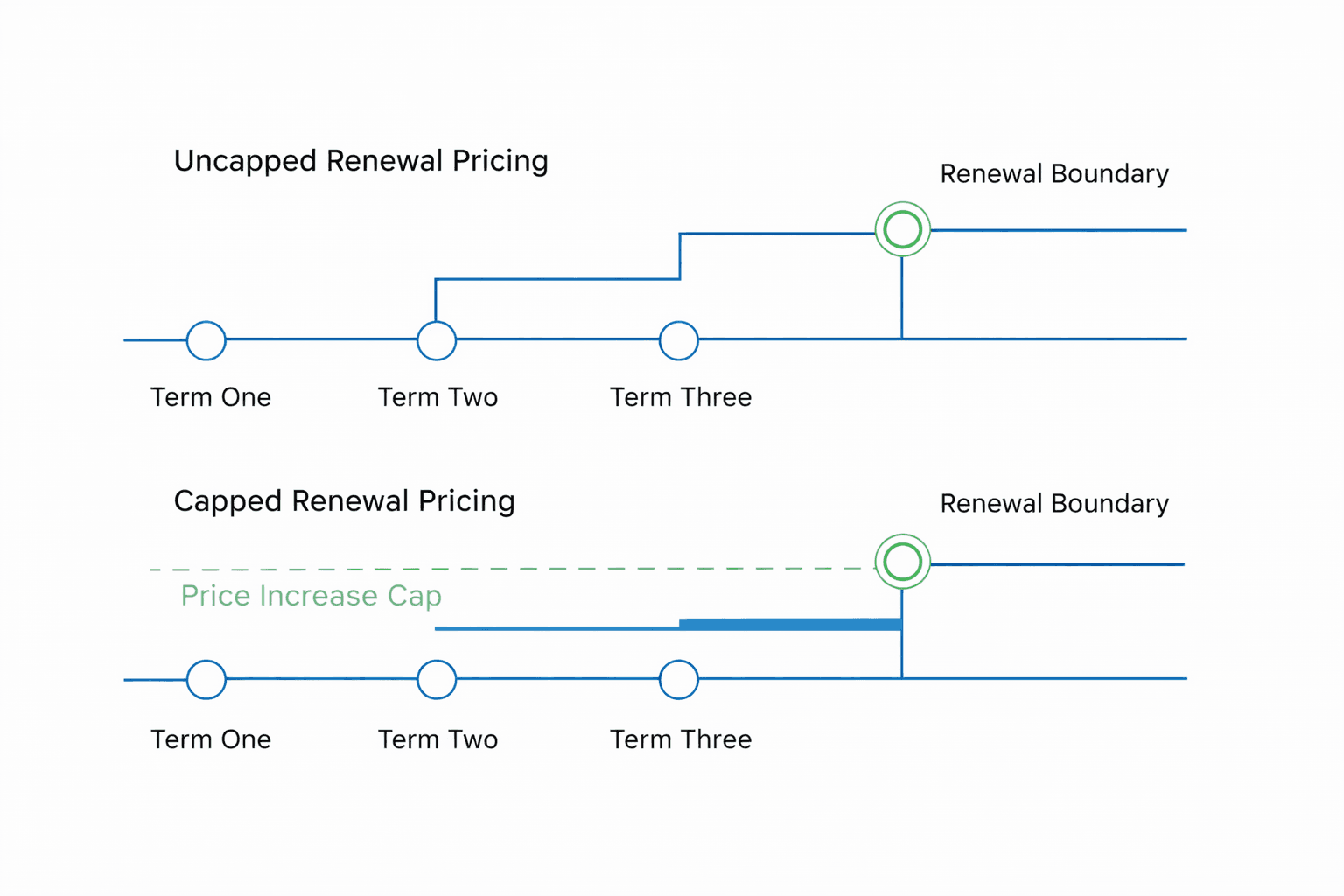
Renewal Uplift Exposure
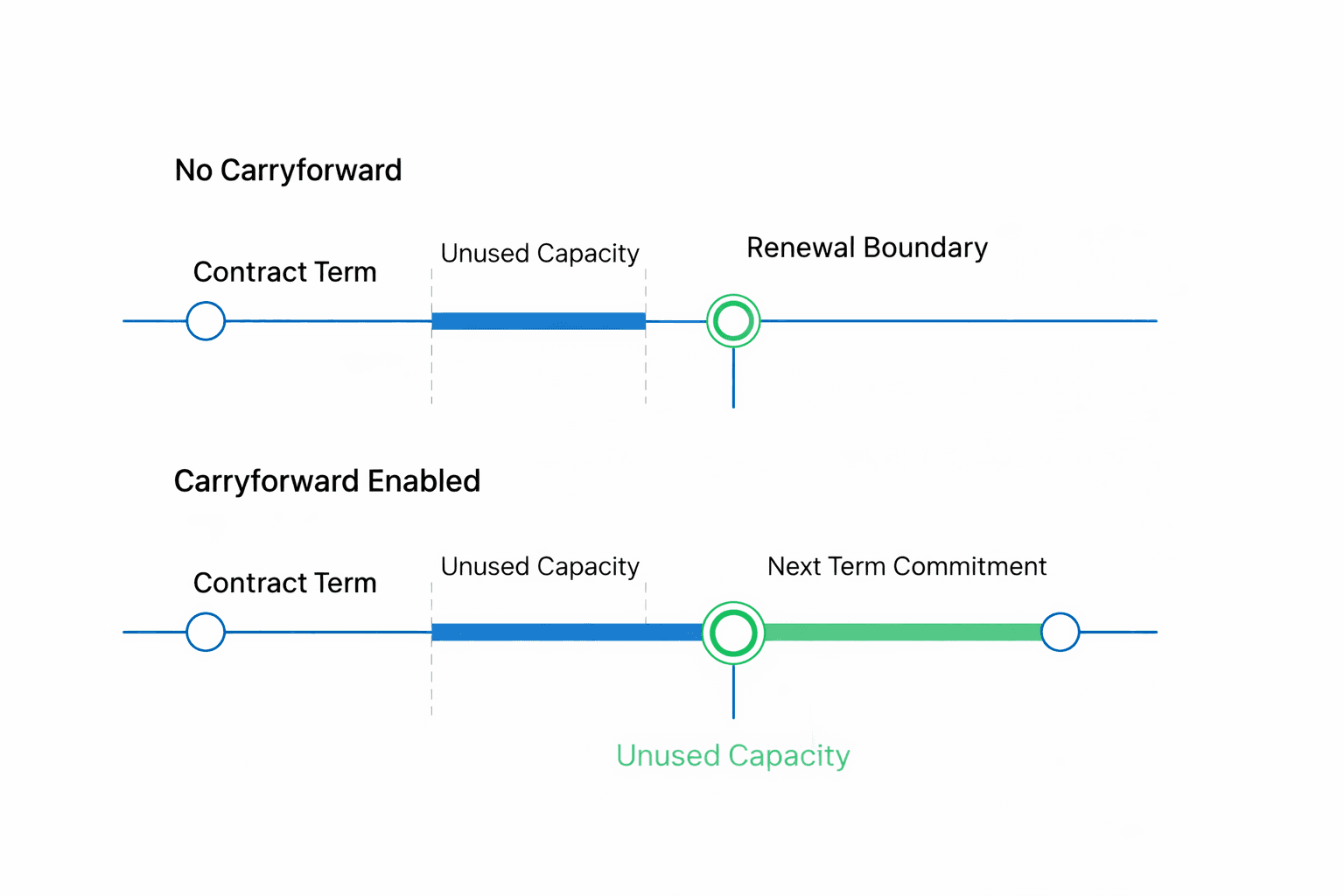
Commitment Carryforward Constraints (roll-over)
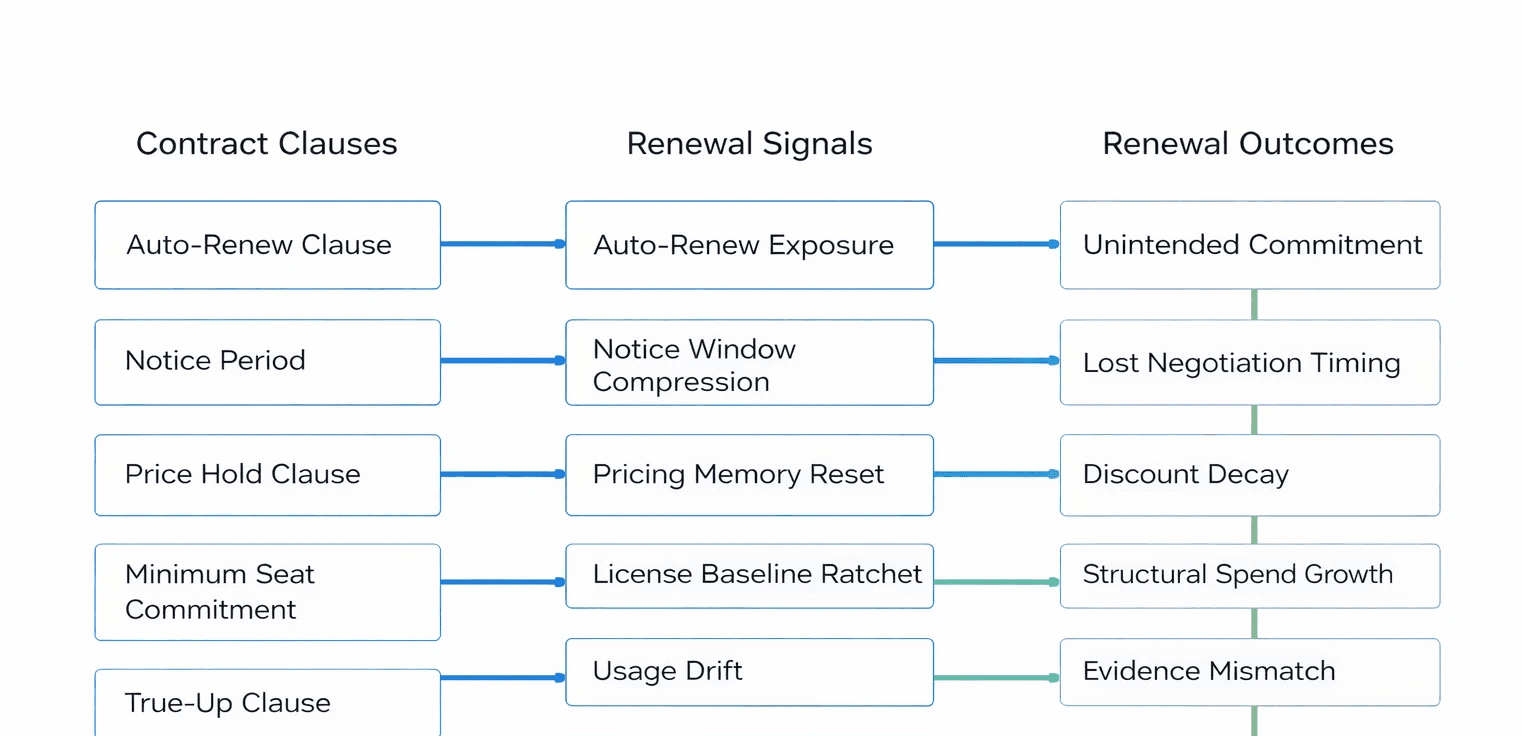
Key SaaS Contract Terms That Influence Renewal Outcomes
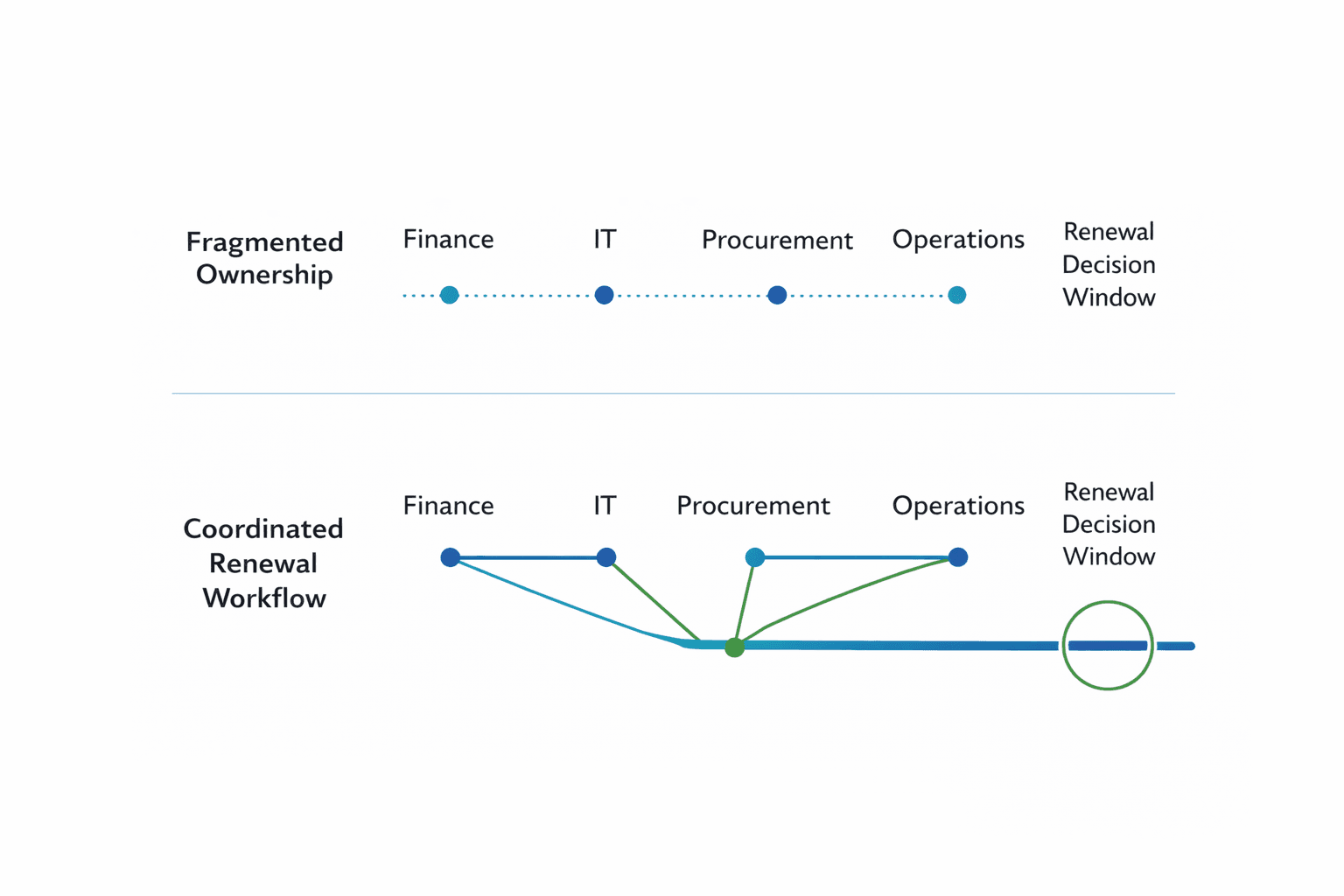
Stakeholder Fragmentation
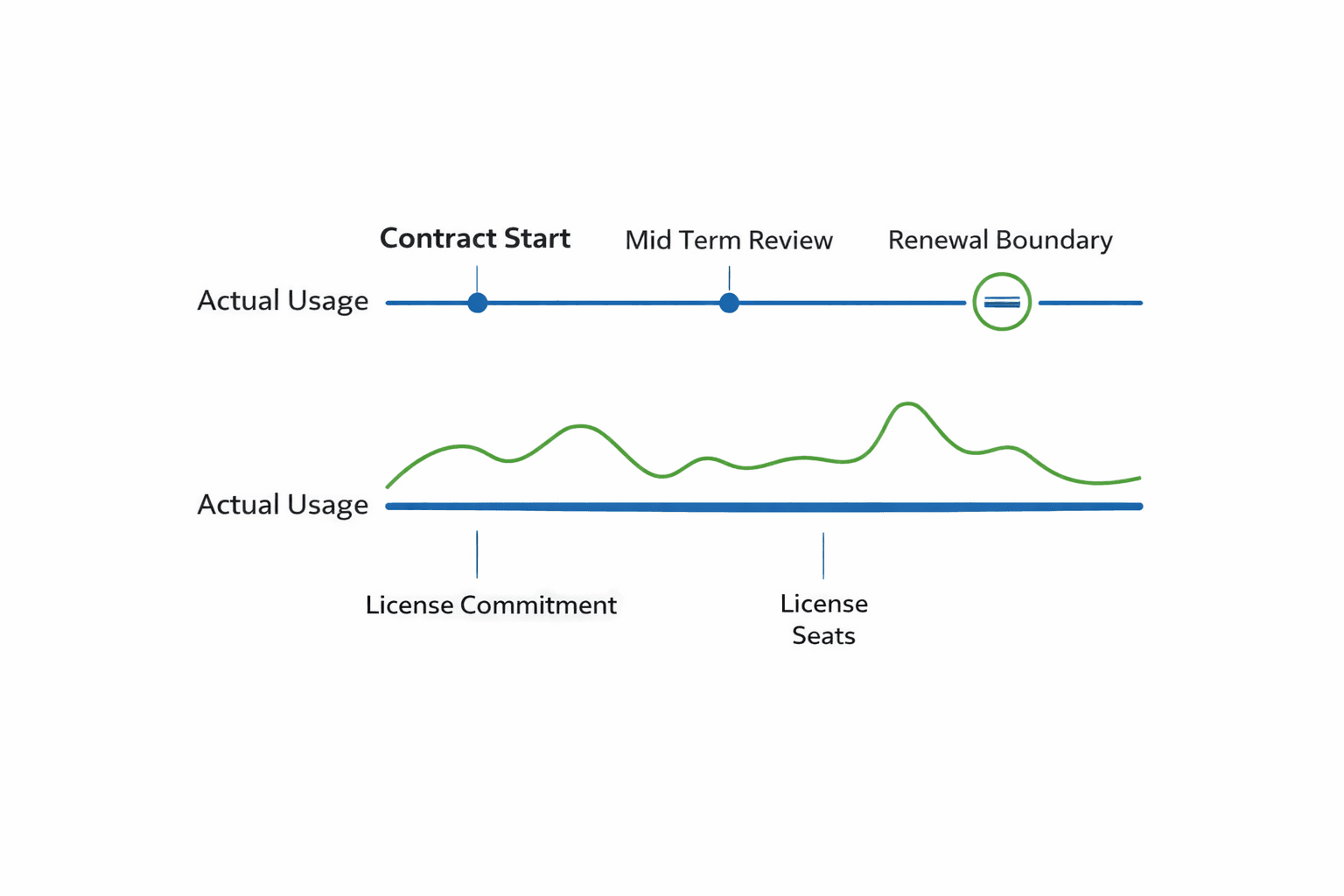
Usage Drift
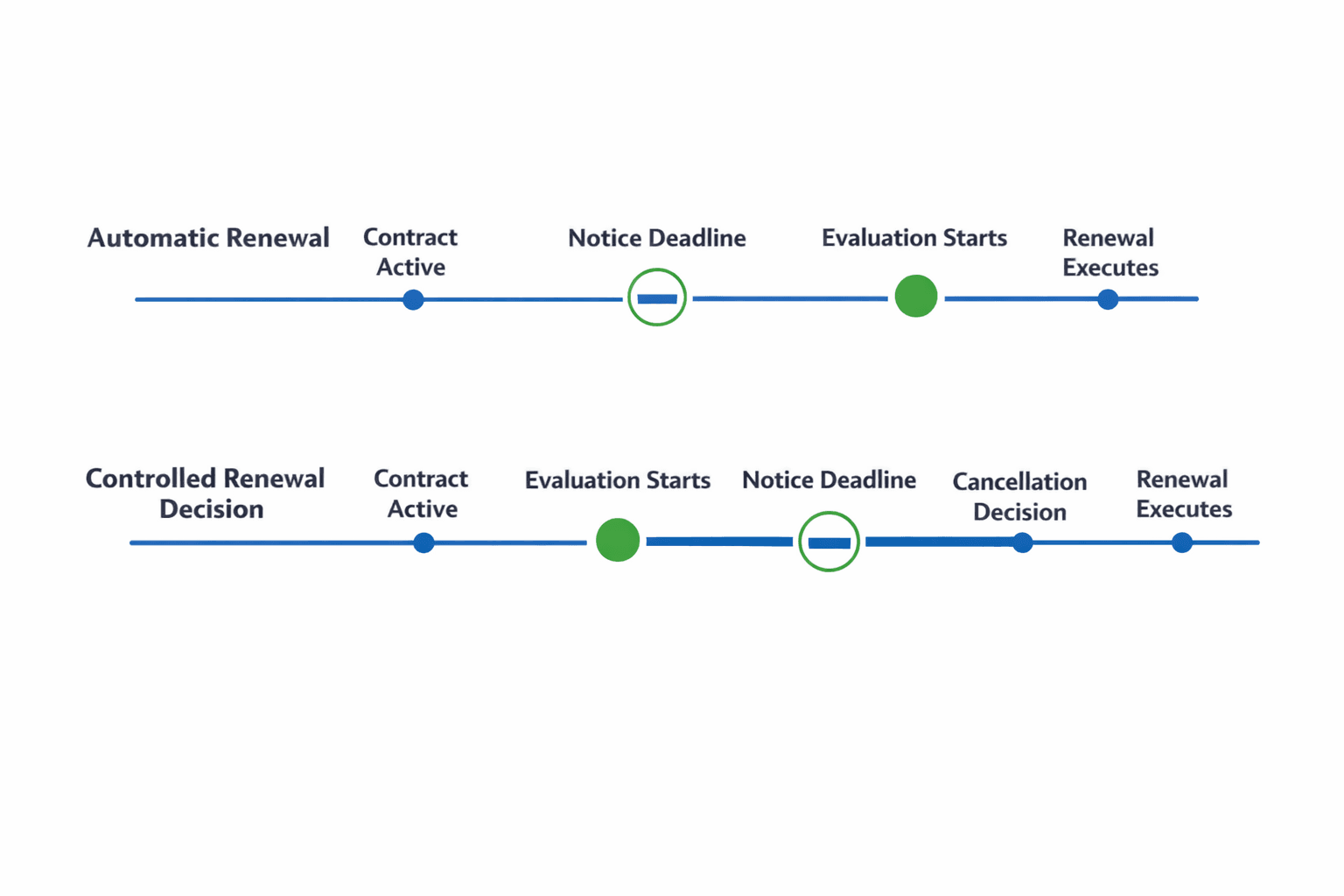
Auto-Renew Exposure
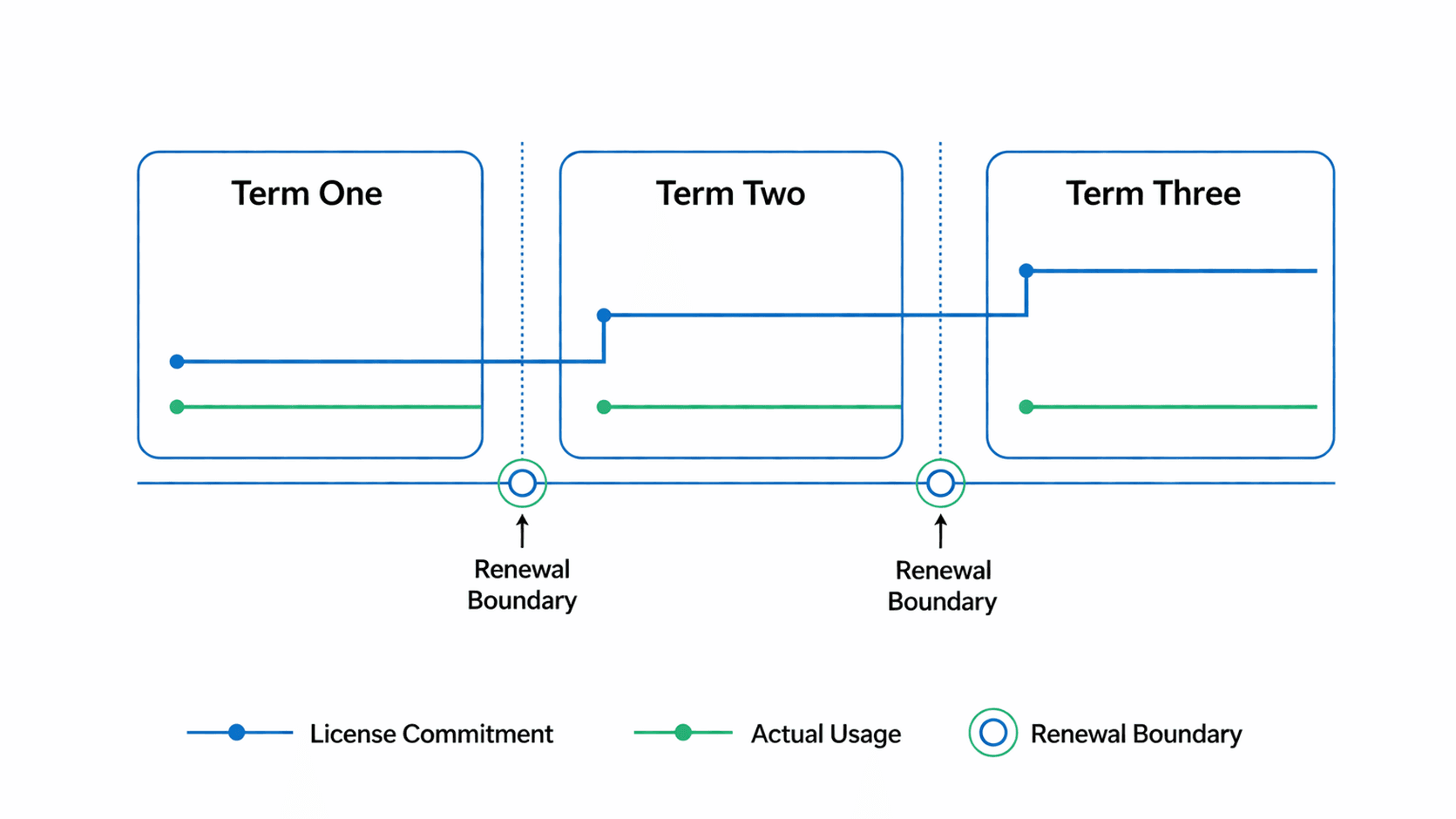
License Baseline Ratchet
Pricing Memory Reset
Notice Window Compression
Renew on your terms, not the vendor’s
Watch how it works