Pricing Memory Reset
When negotiated discounts disappear at renewal boundaries.
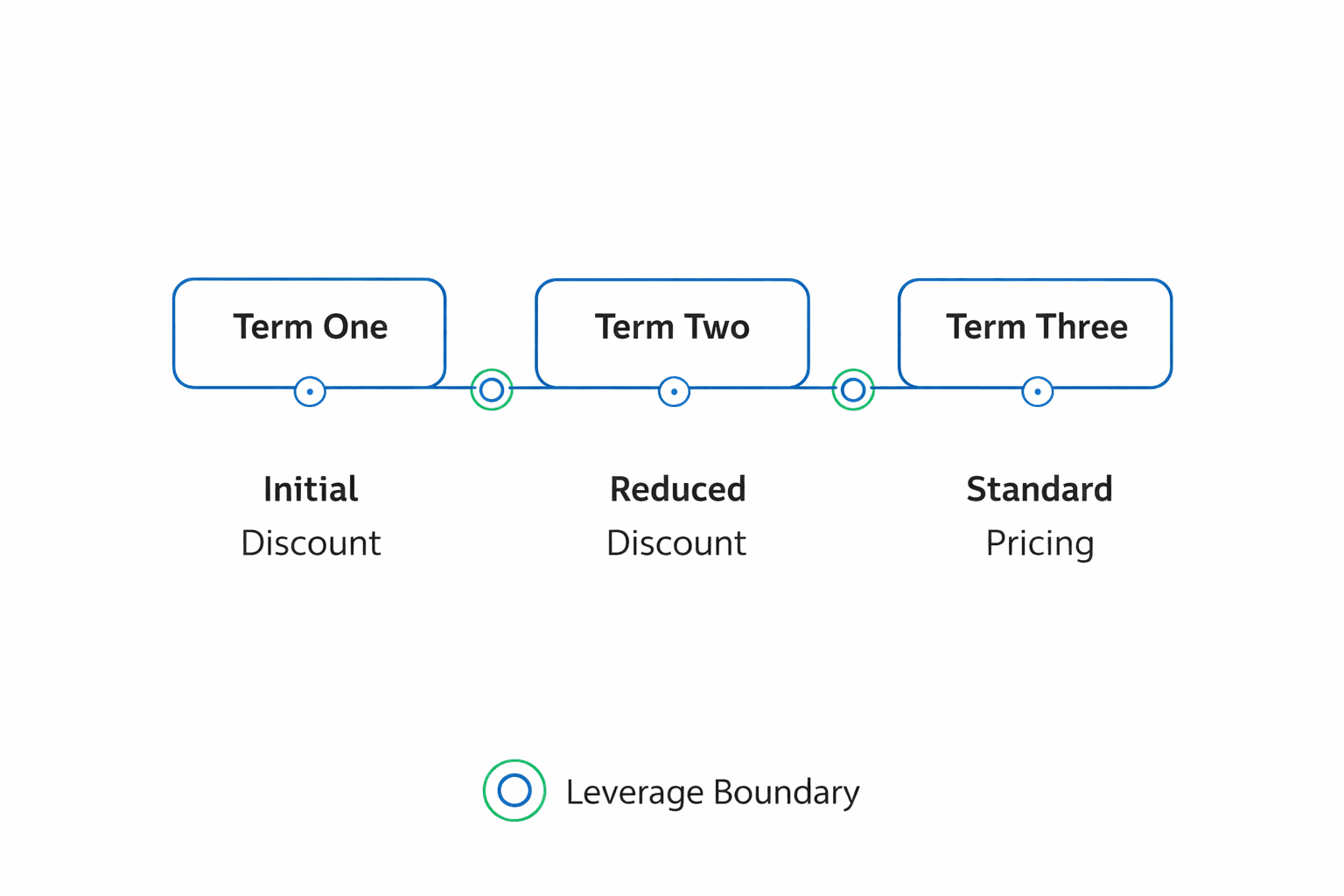
Author: Venduris team
What this signal means
Pricing memory reset occurs when the discounts negotiated during an initial contract term are not preserved at renewal.
Instead of continuing from previously agreed pricing levels, vendors anchor the next negotiation cycle to standard pricing or updated list rates.
This shifts the commercial baseline upward even when product usage and scope remain unchanged.
Why it matters
Many software contracts appear stable across terms while pricing quietly increases between renewals.
This typically happens because negotiated concessions are treated as temporary rather than structural.
When pricing history is not actively preserved:
discounts expire automatically
renewal proposals reference list pricing
bundled pricing replaces modular terms
prior negotiation context is lost internally
vendors reset expectations for future contracts
Over time, these resets compound and permanently increase software spend across the portfolio.
Where it typically appears
Pricing memory resets are common when:
discount structures are not documented centrally
renewal negotiations start from vendor proposals instead of prior agreements
pricing benchmarks are not reviewed before vendor outreach
contract comparisons between terms are not performed
negotiation ownership changes between contract cycles
Without commercial continuity, each renewal becomes a new pricing negotiation instead of a continuation of an existing relationship.
What strong teams do differently
Organizations that maintain pricing continuity treat prior agreements as negotiation anchors rather than temporary concessions.
They typically:
compare renewal proposals against previous contract pricing
track discount levels across contract generations
preserve negotiation outcomes in structured records
validate vendor justifications for price increases
introduce alternatives before pricing discussions begin
Maintaining pricing memory strengthens leverage across multiple contract terms.
How Venduris detects this signal
Venduris compares commercial terms between contract generations and highlights pricing changes relative to historical agreements.
This allows teams to identify discount decay early and preserve negotiation continuity before renewal proposals become binding.
Explore related renewal signals
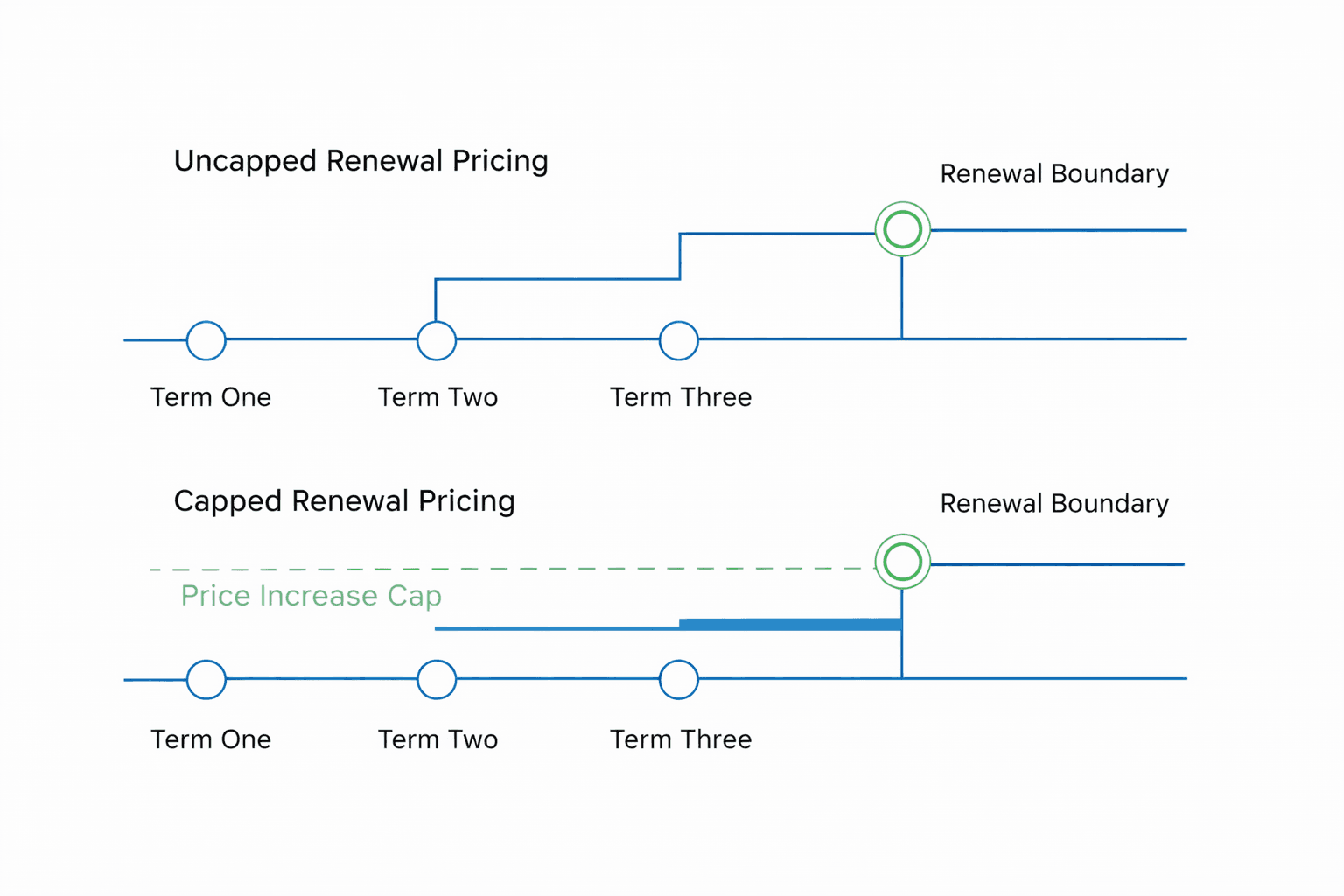
Renewal Uplift Exposure
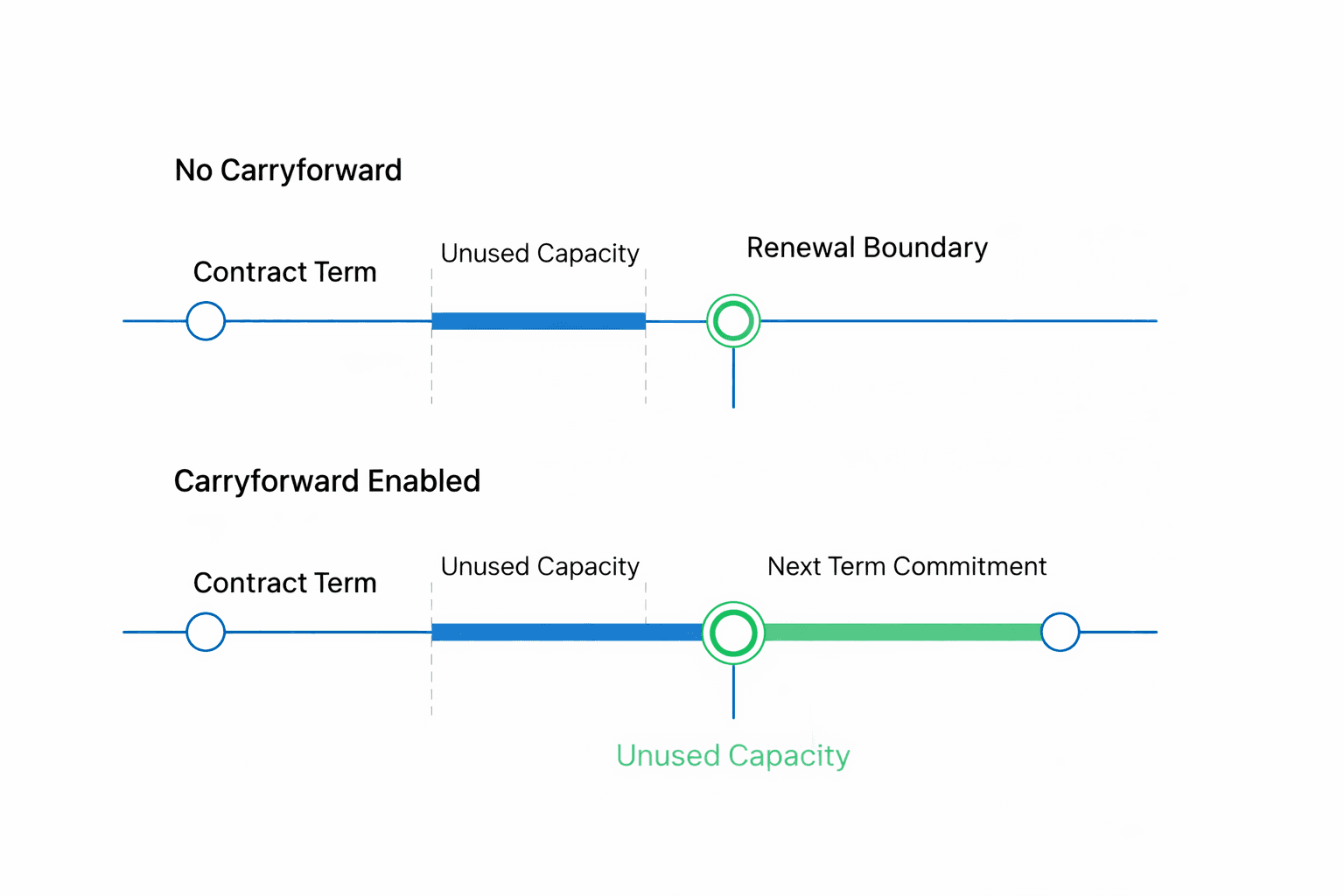
Commitment Carryforward Constraints (roll-over)
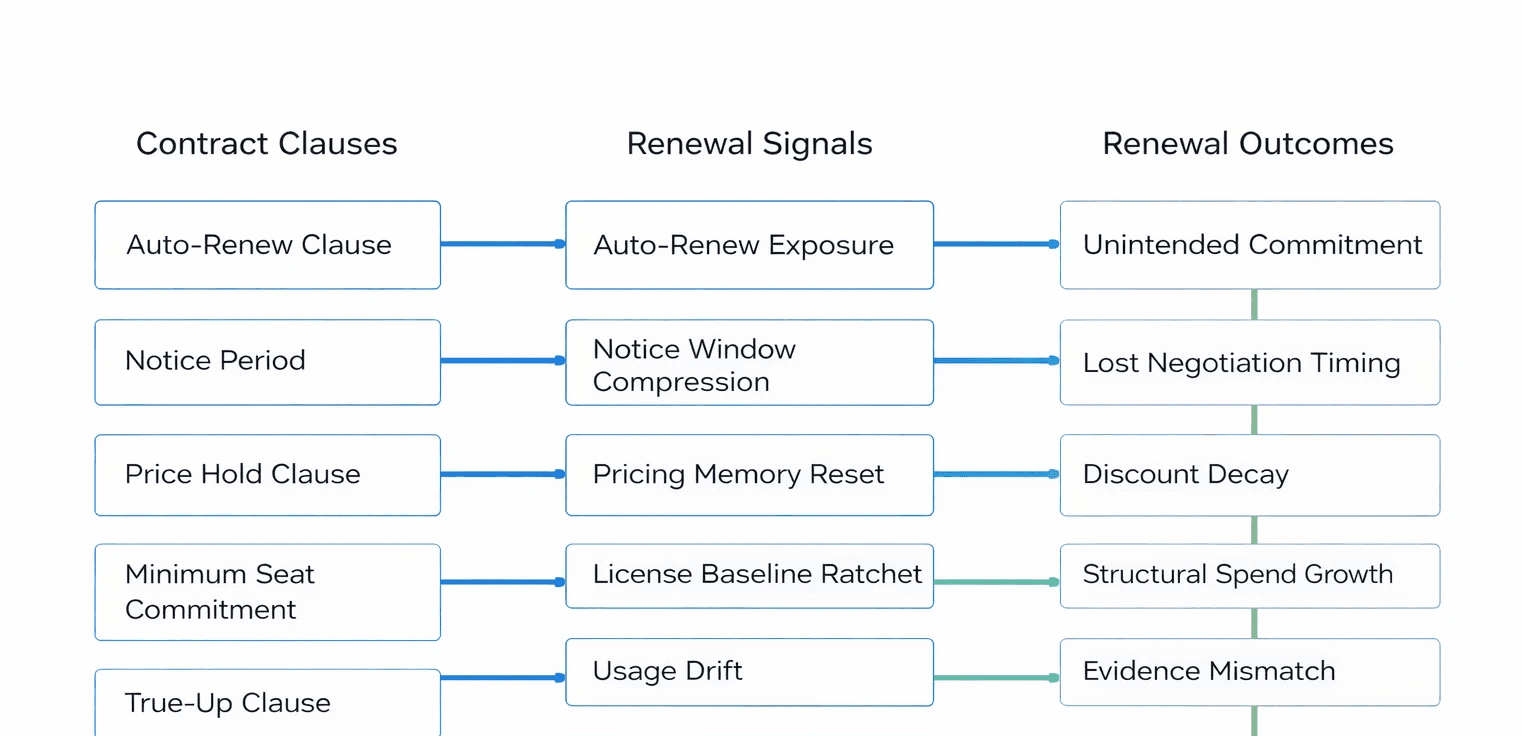
Key SaaS Contract Terms That Influence Renewal Outcomes
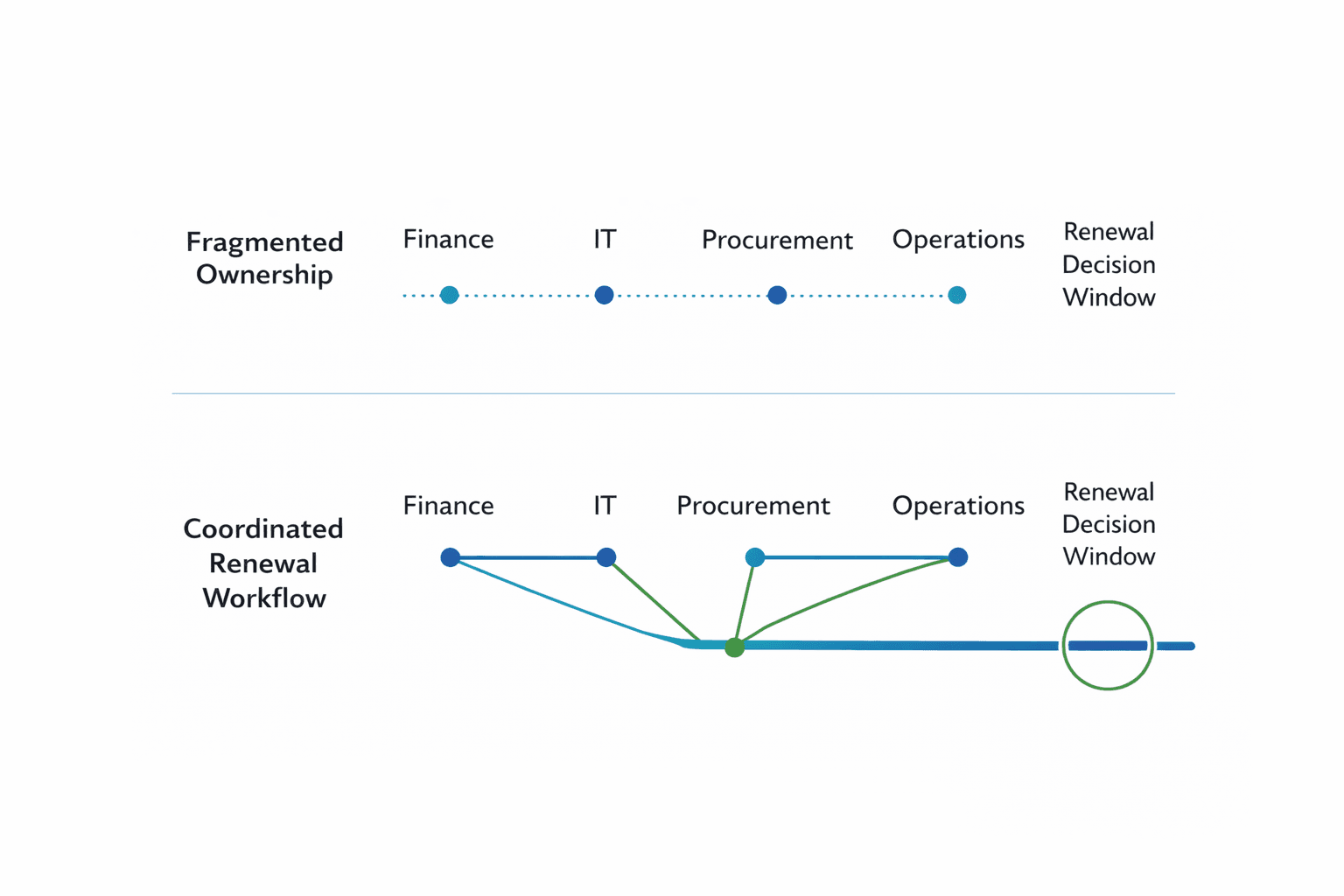
Stakeholder Fragmentation
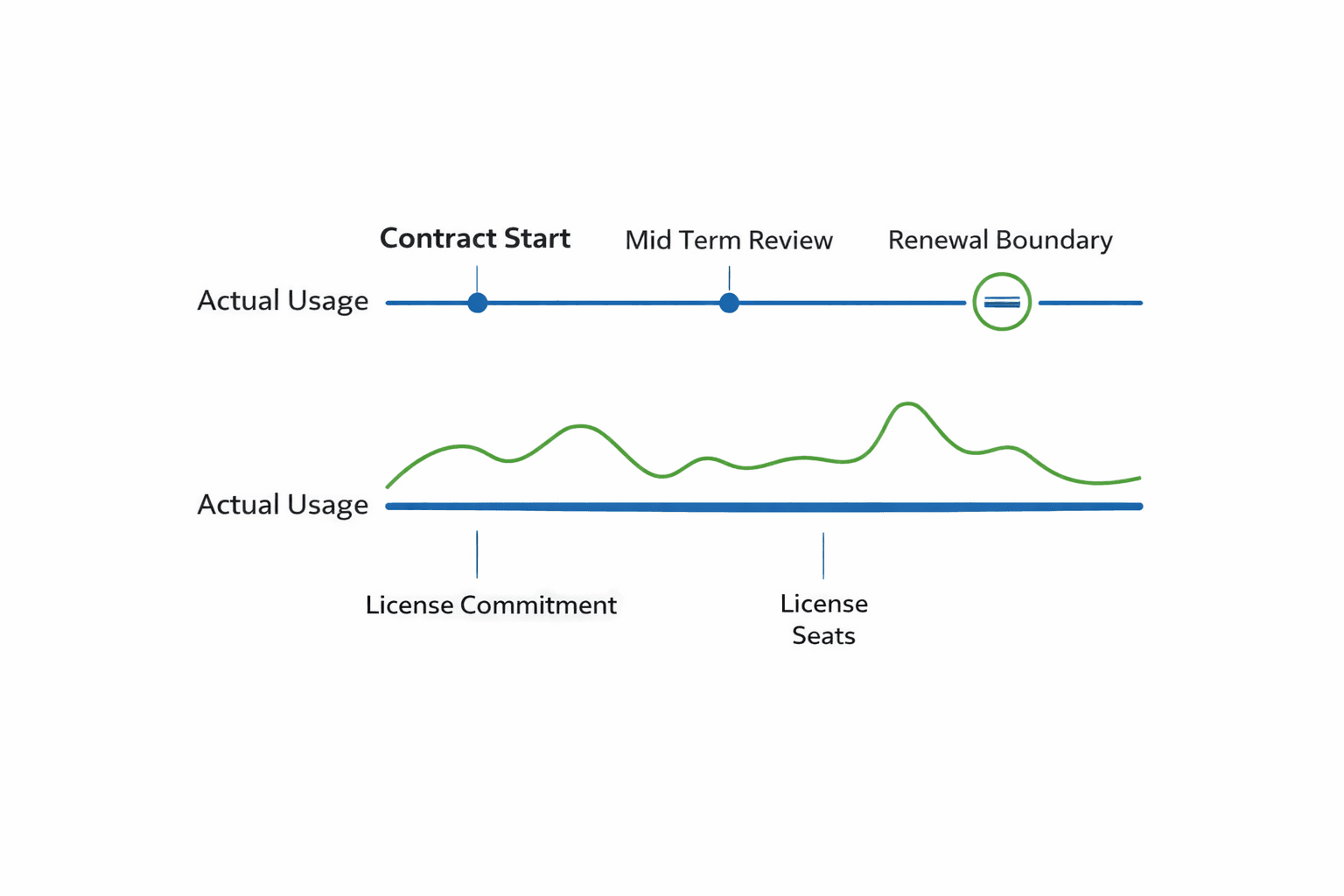
Usage Drift
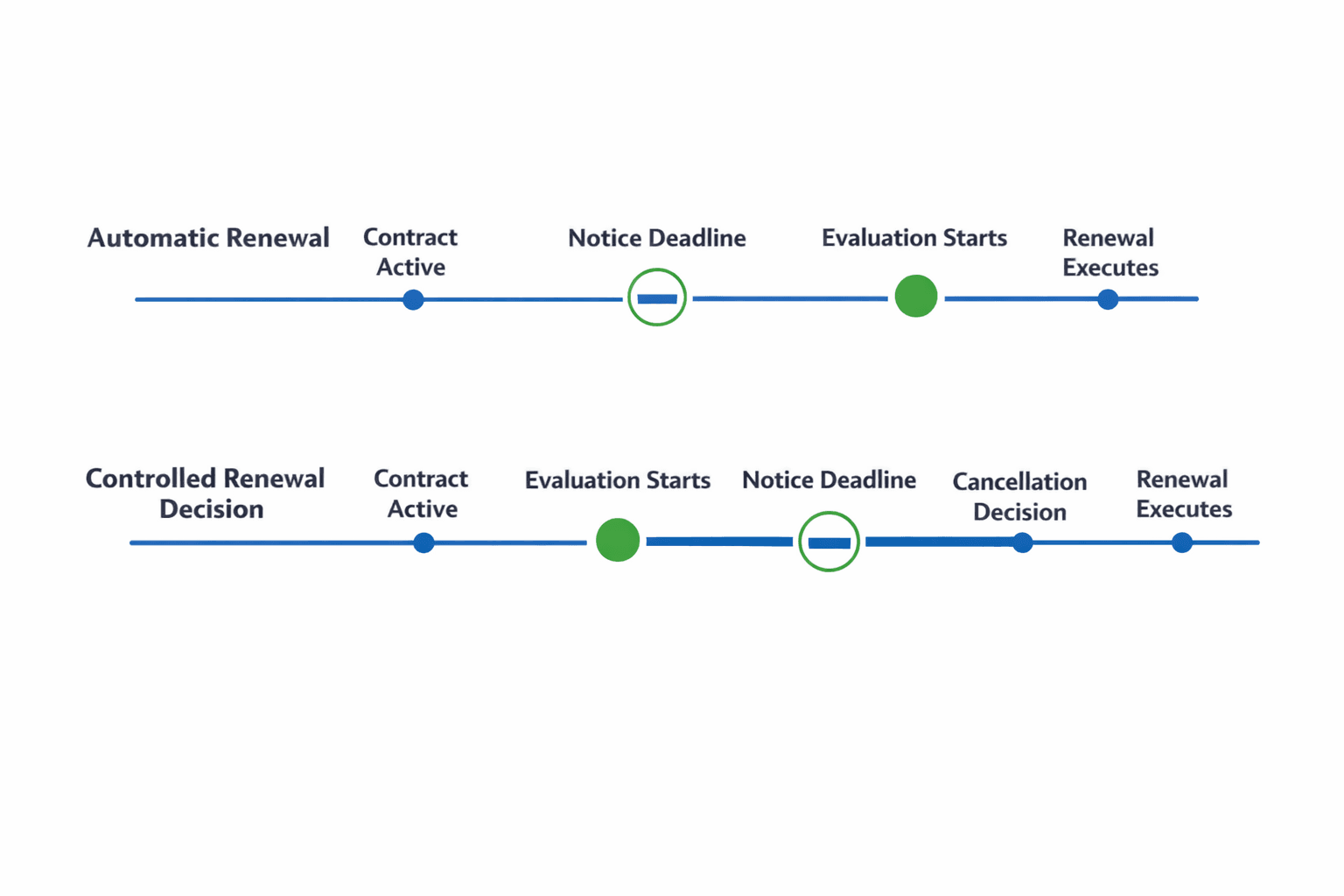
Auto-Renew Exposure
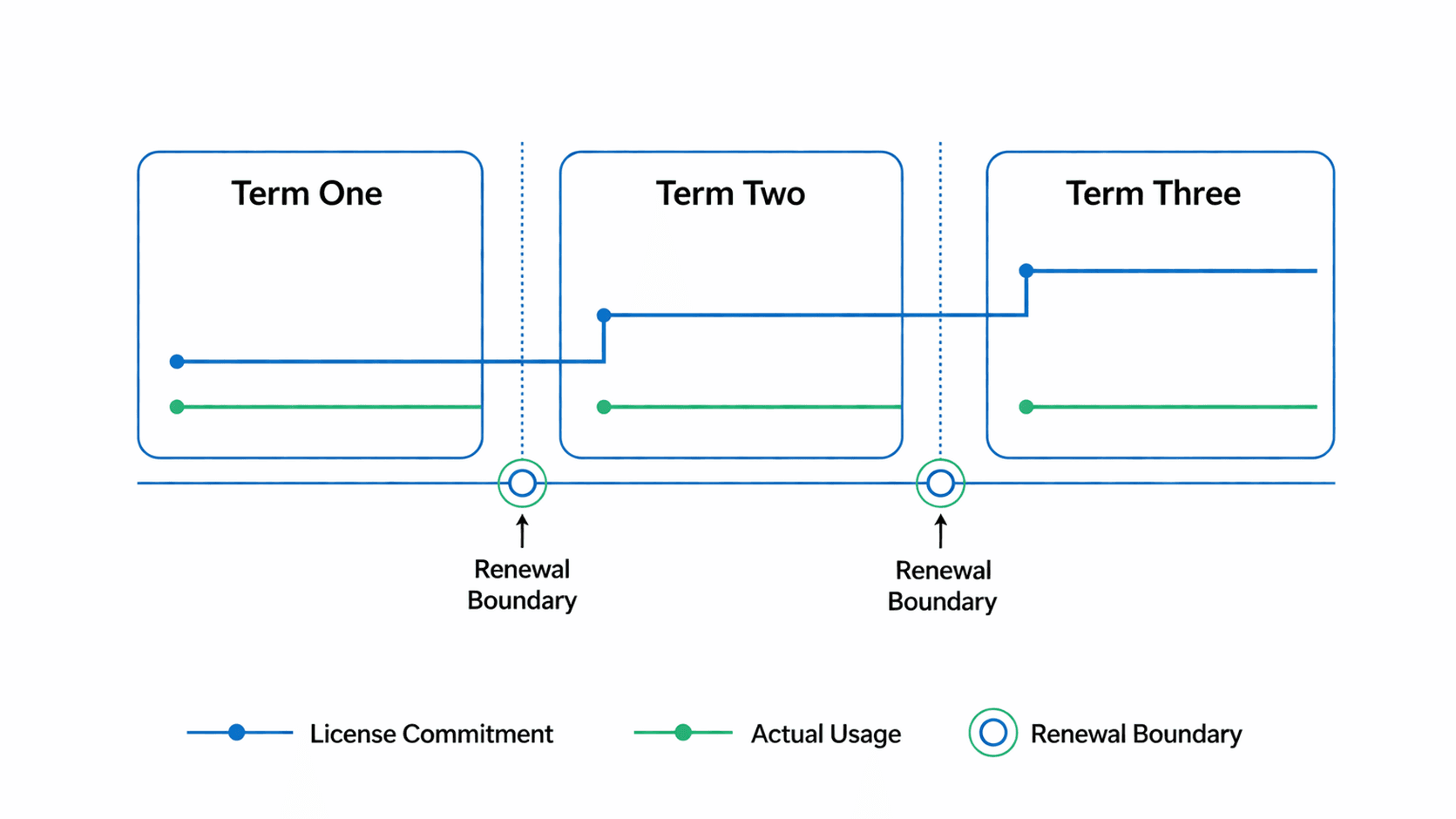
License Baseline Ratchet
Pricing Memory Reset
Notice Window Compression
Renew on your terms, not the vendor’s
Watch how it works