Renewal Uplift Exposure
When contract structure allows predictable price increases across renewal cycles.
Author: Venduris team
What this signal means
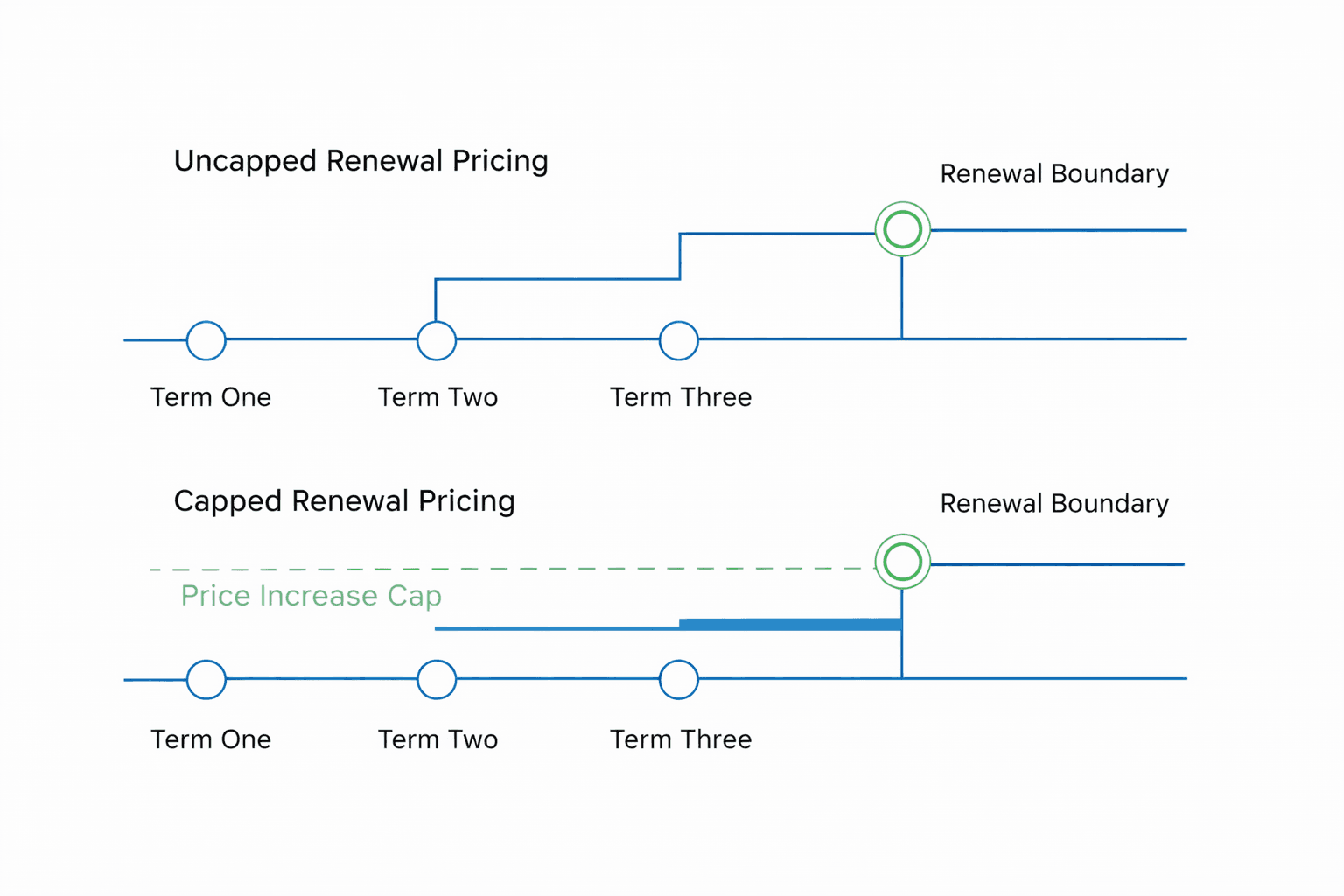
Renewal uplift exposure occurs when contracts allow pricing to increase between terms without requiring renegotiation.
These increases are often defined as percentage adjustments tied to renewal execution rather than changes in usage, scope, or service levels.
When uplift protections are absent or expire between contract cycles, renewal pricing may rise automatically even if contract structure remains unchanged.
Why it matters
Many SaaS agreements include mechanisms that enable pricing to increase at renewal boundaries.
When uplift exposure is not managed:
renewal pricing resets upward across contract terms
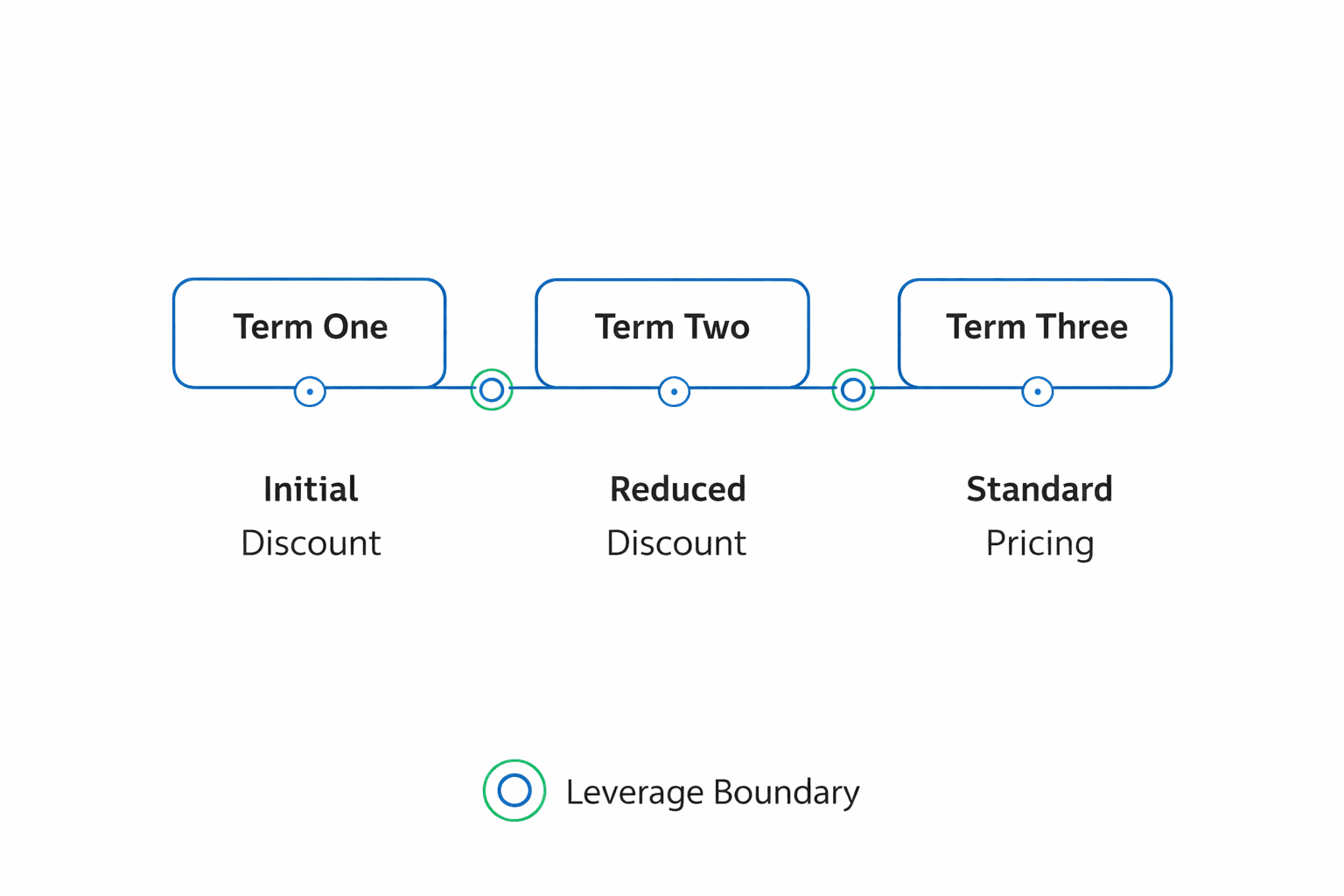
negotiated discounts lose continuity
forecasted software spend becomes less predictable
vendor proposals anchor to updated list pricing
long-term commitments accumulate incremental increases
Across multiple contract cycles, even moderate uplifts compound into structural spend growth.
Where it typically appears
Renewal uplift exposure is common when:
contracts do not include renewal increase caps
price hold protections expire before renewal execution
multi-year agreements transition to annual renewals
vendor pricing policies change between contract terms
renewal proposals reference updated standard pricing
These conditions allow pricing to increase independently from usage or scope changes.
What strong teams do differently
Organizations that maintain pricing continuity evaluate renewal uplift risk before negotiation windows open.
They typically:
review uplift caps before renewal preparation begins
preserve price hold protections across contract cycles
compare renewal proposals against prior pricing structures
challenge increases not linked to scope changes
introduce alternatives before pricing anchors reset
Managing uplift exposure improves predictability across long-term vendor relationships.
How Venduris detects this signal
Venduris compares pricing protections across contract generations and highlights agreements where renewal uplift risk may affect future commitments.
This allows teams to identify pricing exposure early and prepare negotiation strategies before renewal proposals finalize.
Explore related renewal signals
Renewal Uplift Exposure
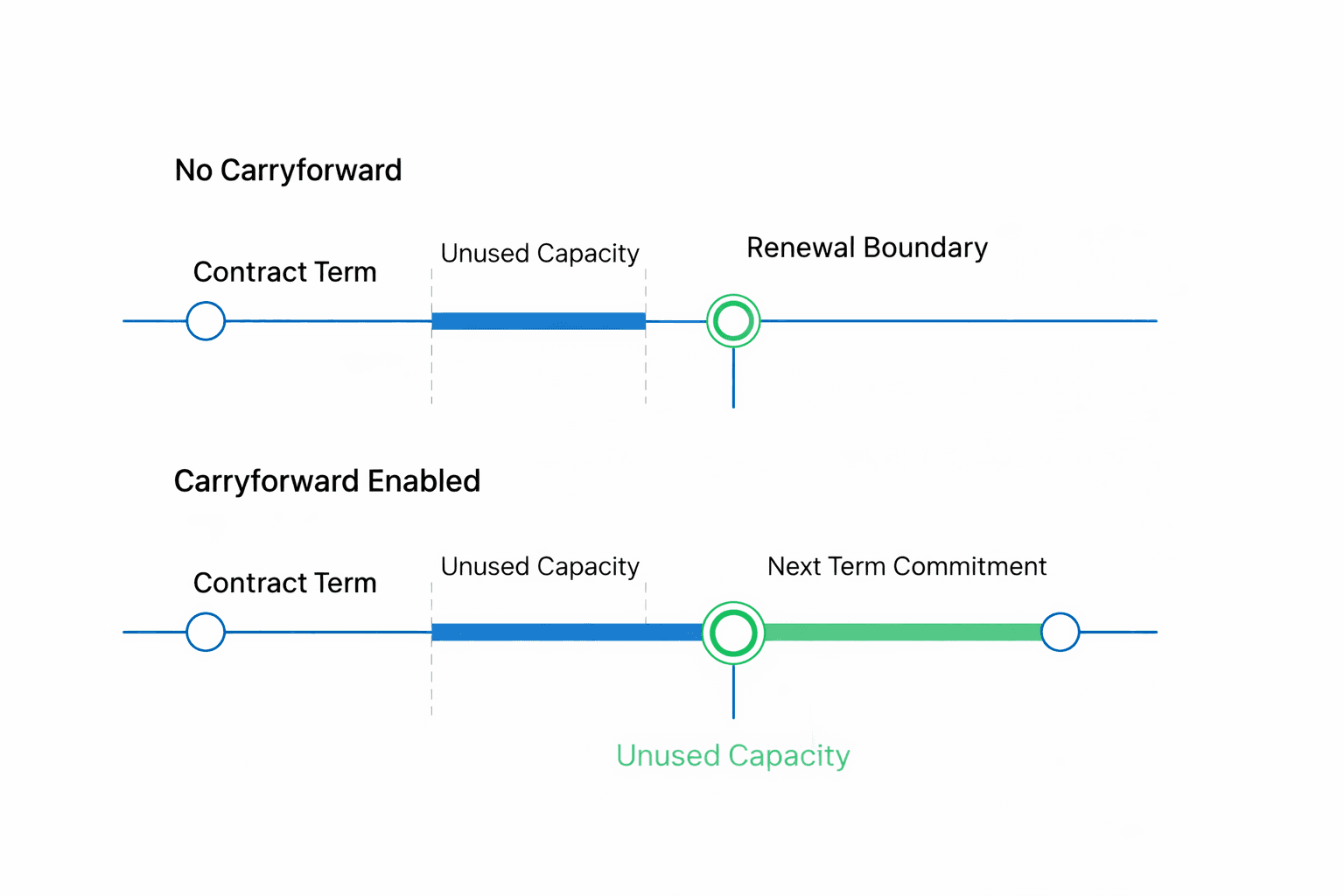
Commitment Carryforward Constraints (roll-over)
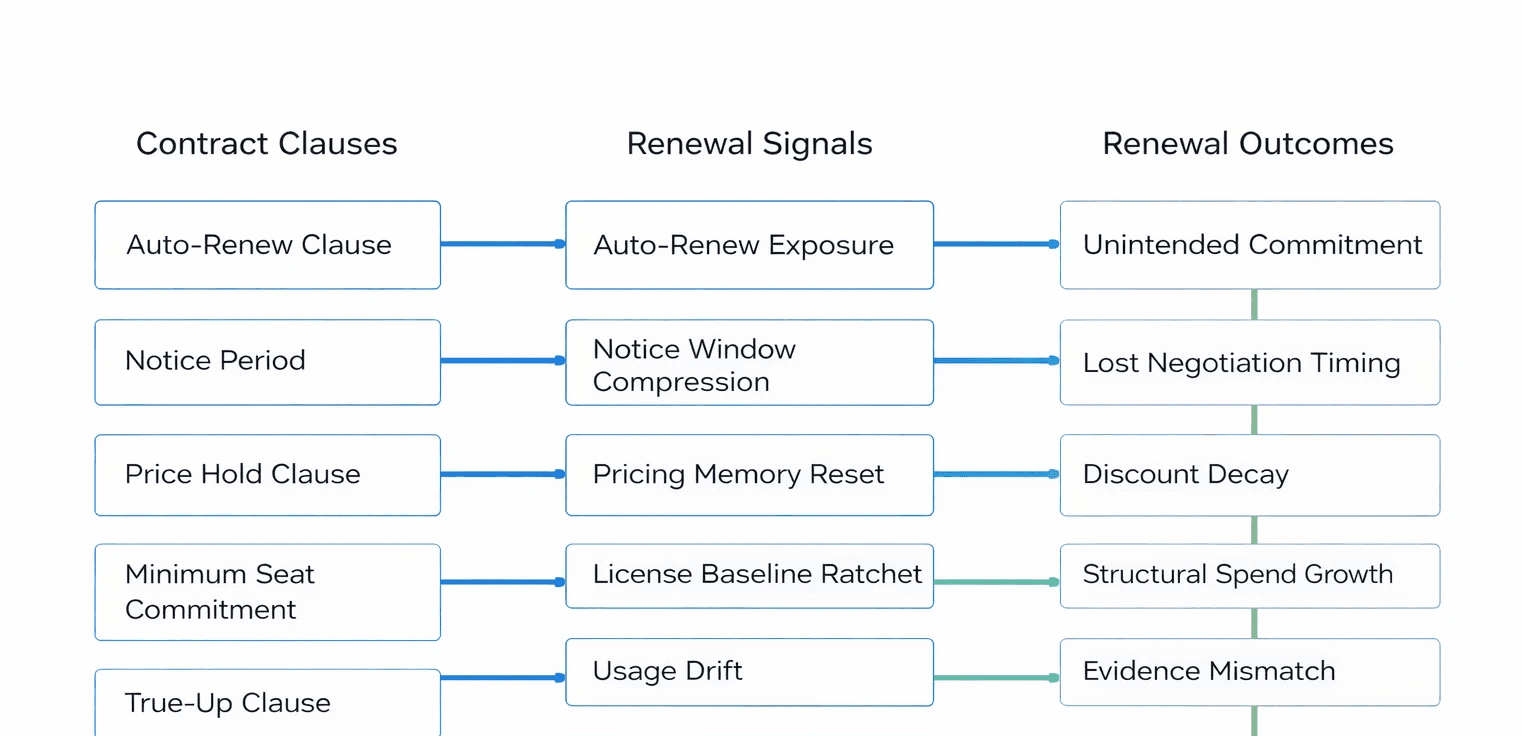
Key SaaS Contract Terms That Influence Renewal Outcomes
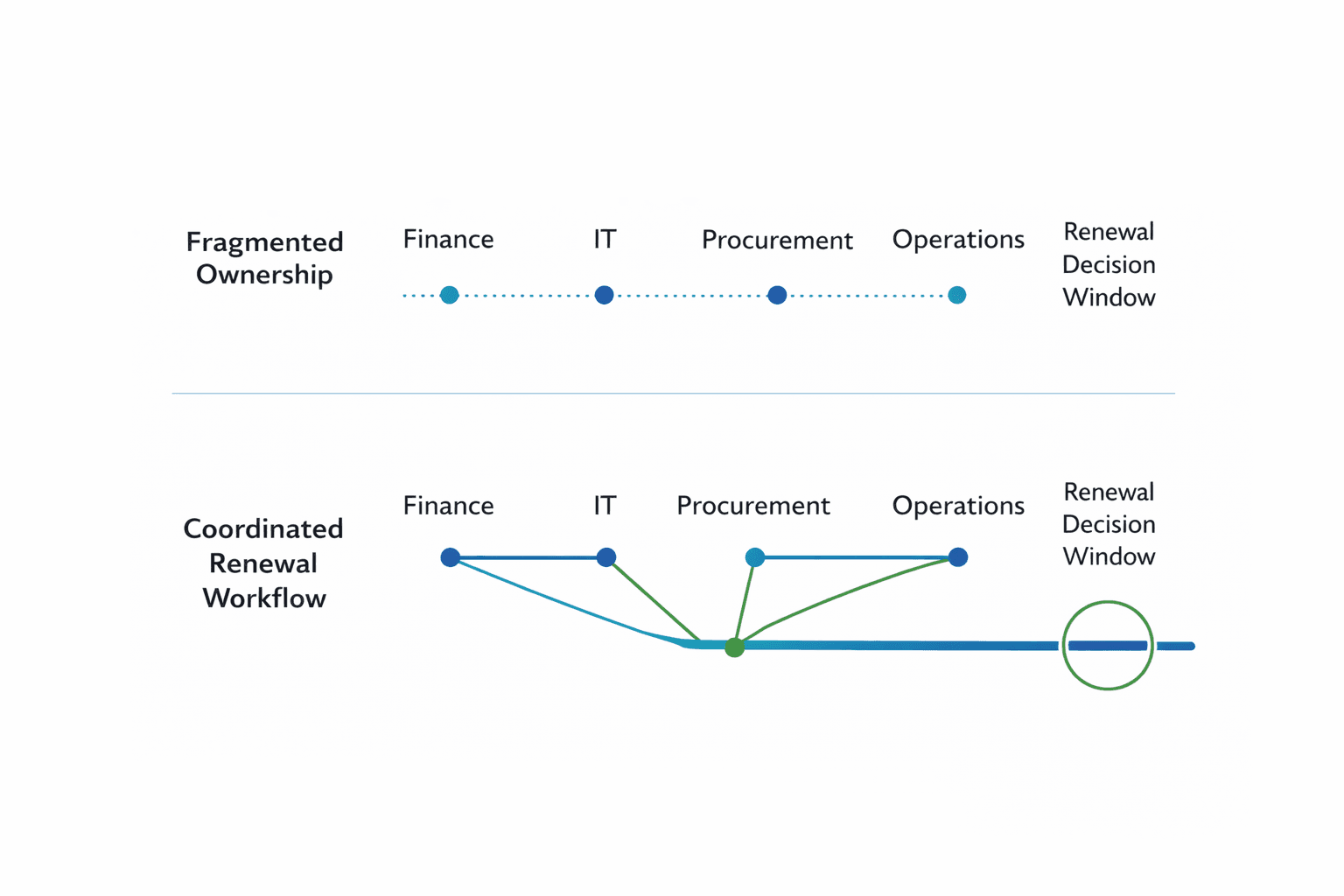
Stakeholder Fragmentation
Usage Drift
Auto-Renew Exposure
License Baseline Ratchet
Pricing Memory Reset
Notice Window Compression
Renew on your terms, not the vendor’s
Watch how it works