Stakeholder Fragmentation
When renewal ownership is distributed across teams without coordination.
Author: Venduris team
What this signal means
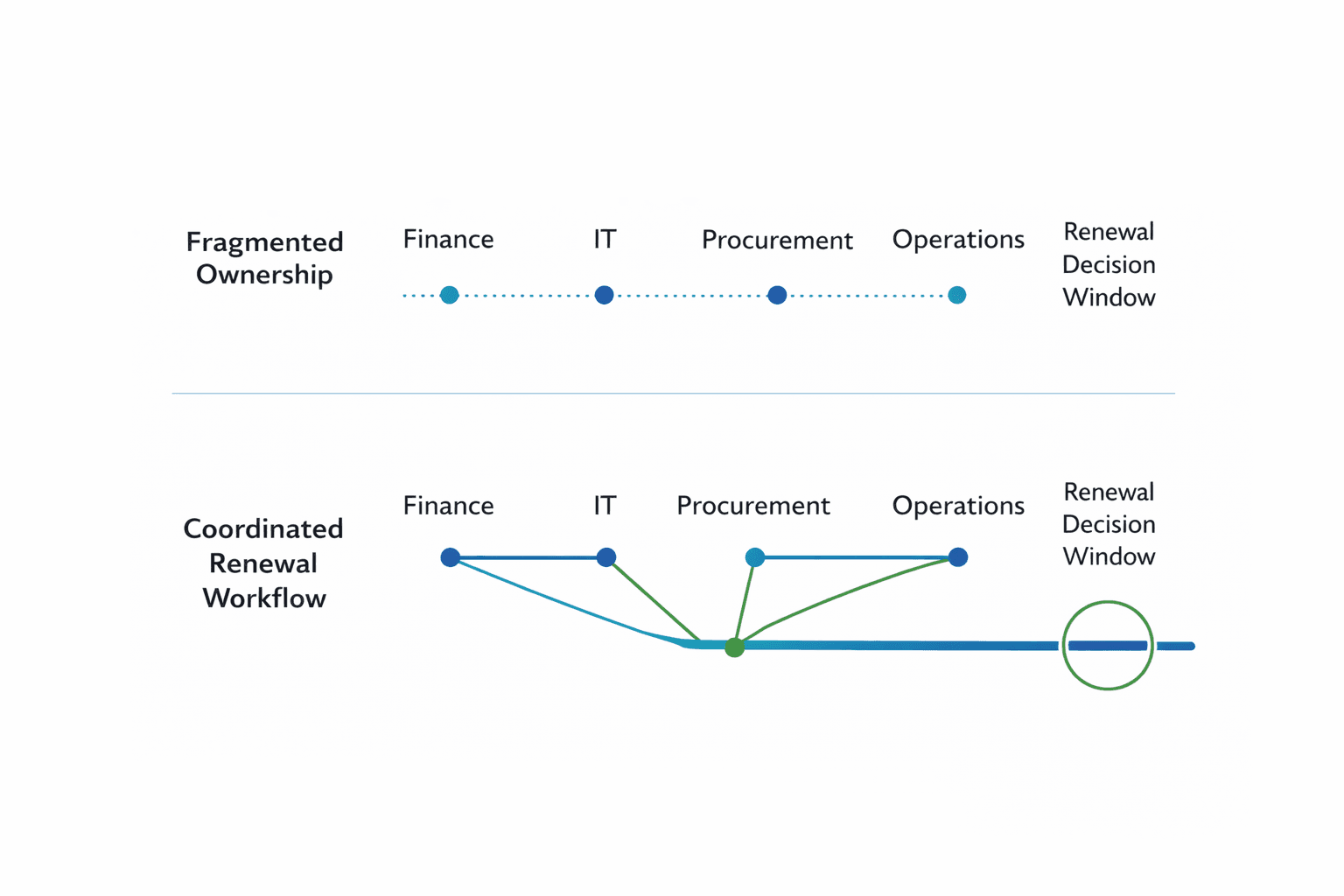
Stakeholder fragmentation occurs when responsibility for renewal decisions is split across Finance, IT, Procurement, and Operations without a shared preparation workflow.
Each team contributes part of the decision context, but no single function owns the timing, structure, or strategy of the renewal itself.
As a result, contracts renew based on partial visibility rather than coordinated evaluation.
Why it matters
Renewal leverage is often lost internally before vendor negotiations even begin.
When stakeholders operate independently:
usage insights remain disconnected from pricing discussions
financial exposure is reviewed too late
alternatives are not evaluated early enough
notice deadlines pass without alignment
negotiation strategy forms after vendor outreach starts
Fragmented ownership shifts control of renewal outcomes away from the organization and toward the vendor timeline.
Where it typically appears
Stakeholder fragmentation is common when:
IT manages vendors but not contract strategy
Finance tracks spend but not renewal timing
Procurement joins negotiations late in the cycle
Operations owns usage but not commitments
renewal ownership changes between contract terms
These conditions prevent signals from being identified early enough to influence renewal outcomes.
What strong teams do differently
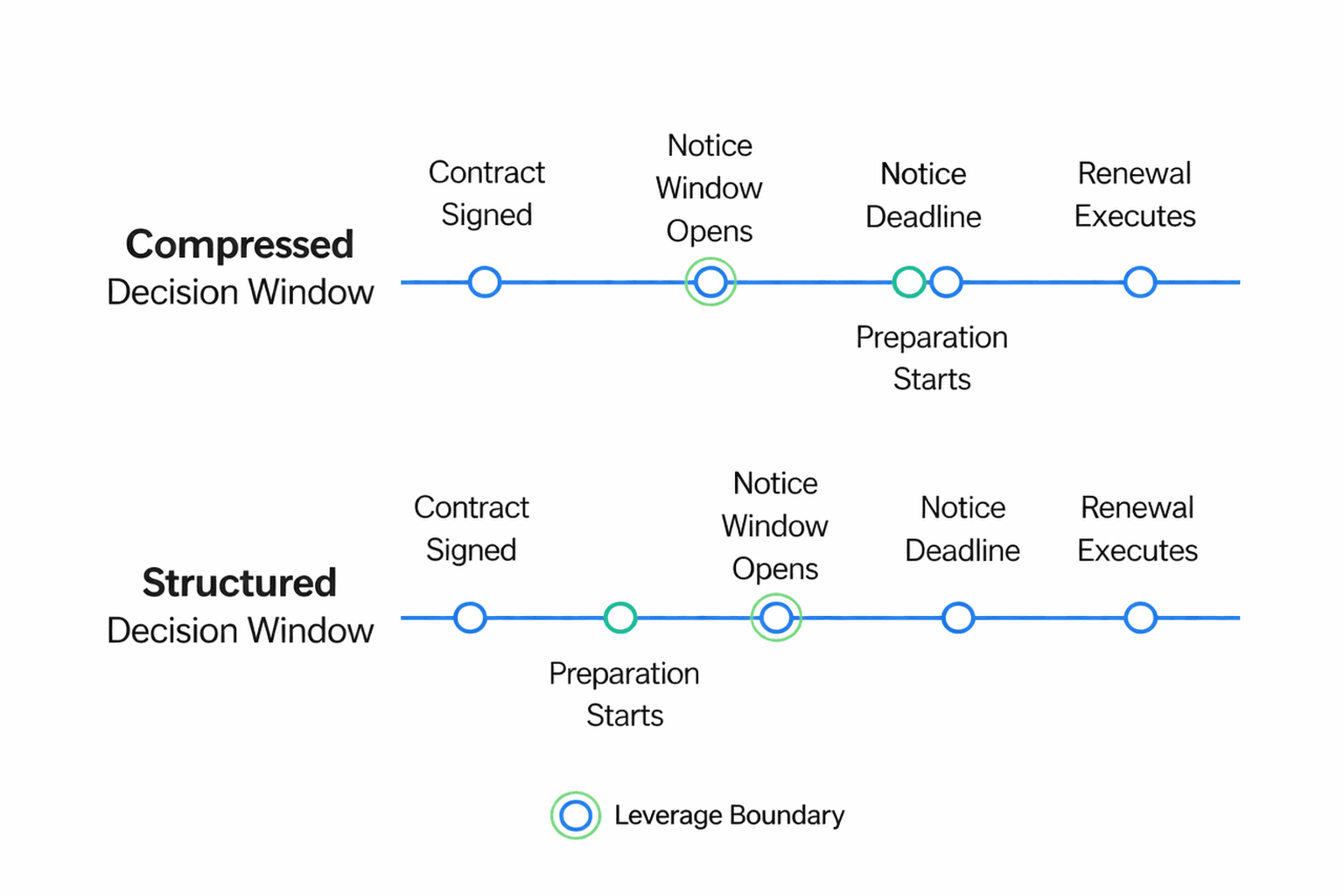
Organizations with structured renewal coordination treat renewals as shared decision windows rather than isolated administrative checkpoints.
They typically:
define renewal ownership clearly across teams
align stakeholders before notice deadlines approach
review usage, pricing, and risk together
establish negotiation objectives early
prepare alternatives before vendor engagement begins
Cross-functional alignment improves both negotiation timing and contract flexibility.
How Venduris detects this signal
Venduris centralizes renewal timelines, contract commitments, and usage context in a shared workspace so stakeholders can prepare decisions together before notice windows close.
This allows teams to coordinate earlier and reduces the risk of fragmented renewal outcomes across the vendor portfolio.
Explore related renewal signals
Renewal Uplift Exposure
Commitment Carryforward Constraints (roll-over)
Key SaaS Contract Terms That Influence Renewal Outcomes
Stakeholder Fragmentation
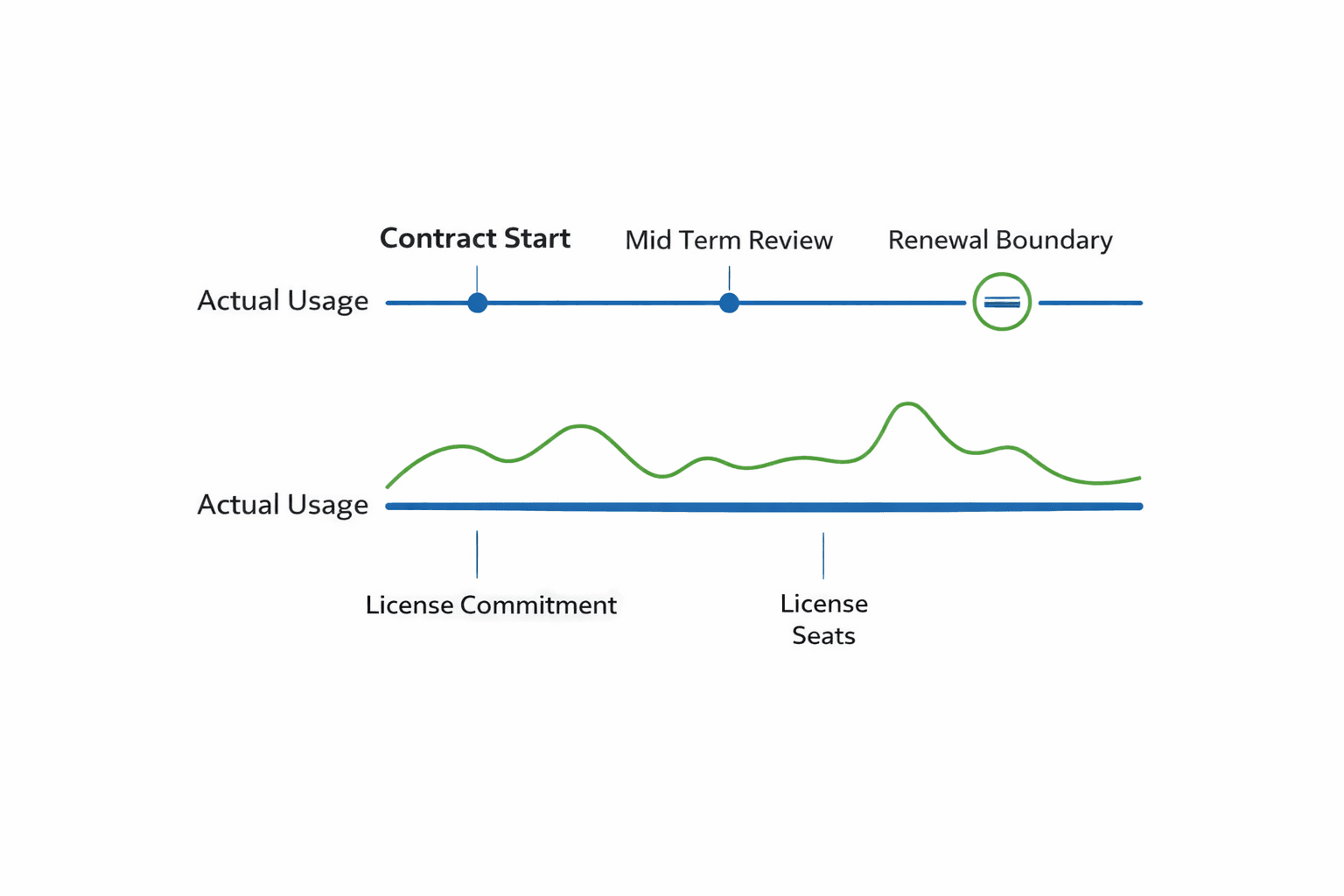
Usage Drift
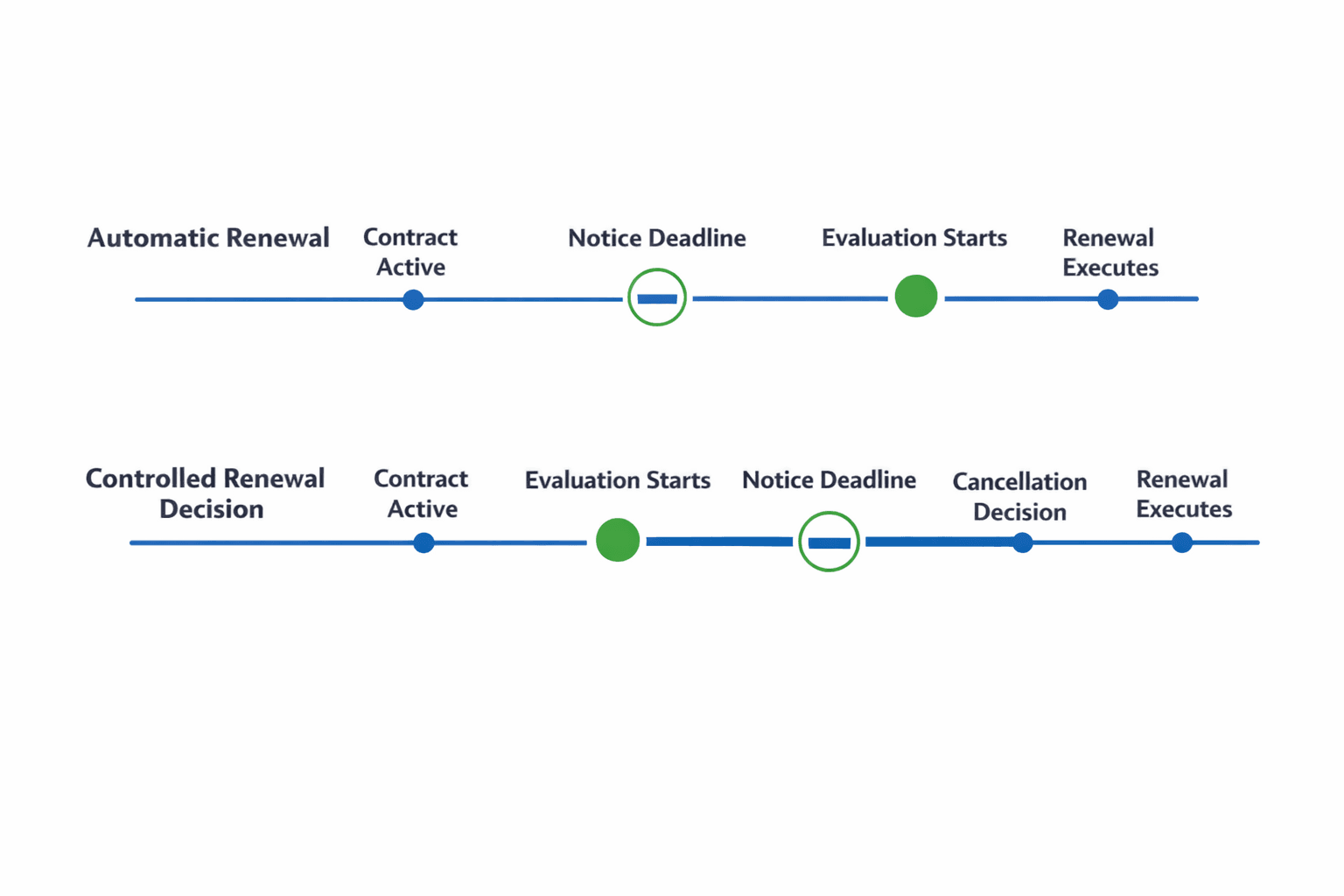
Auto-Renew Exposure
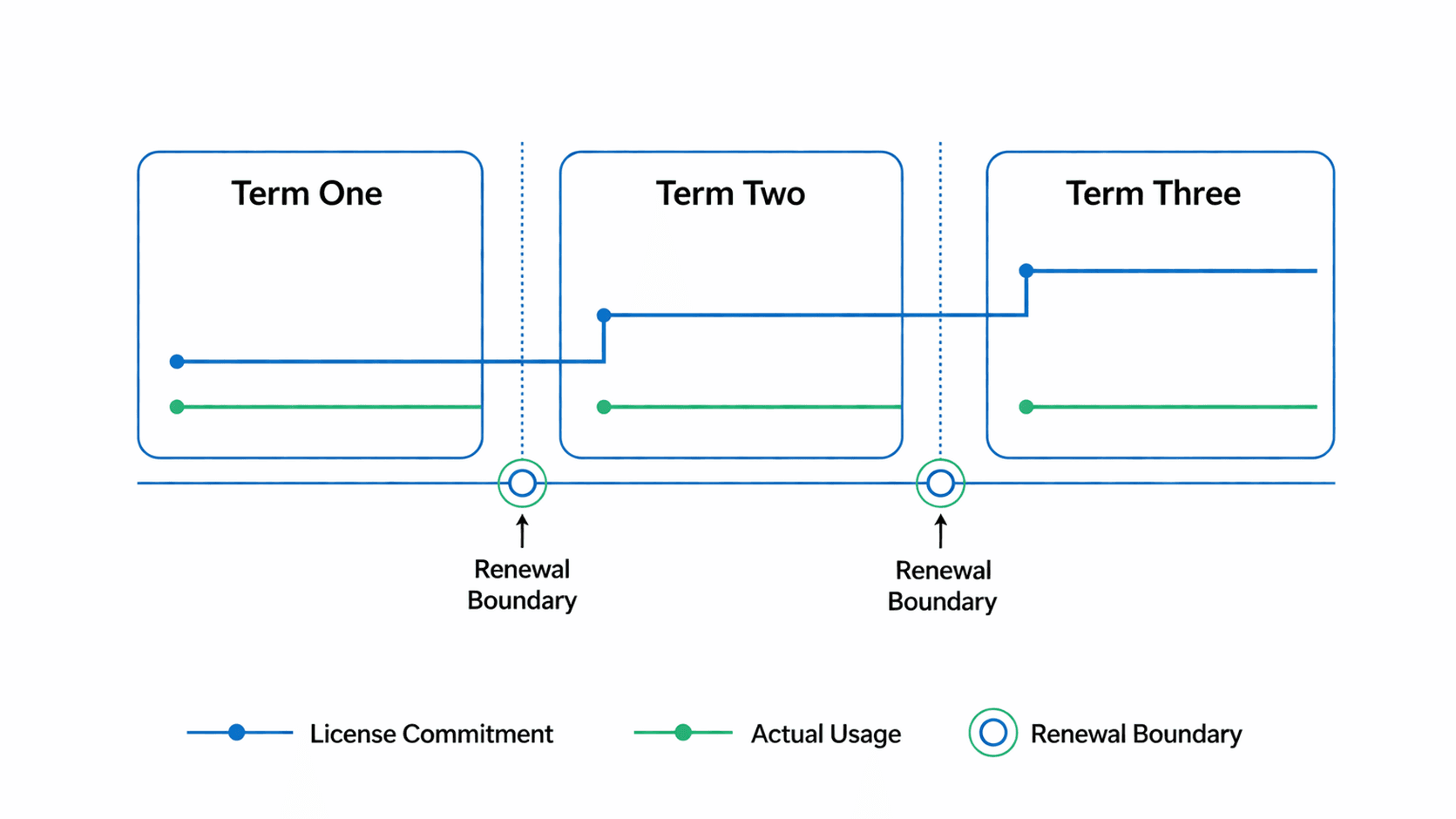
License Baseline Ratchet
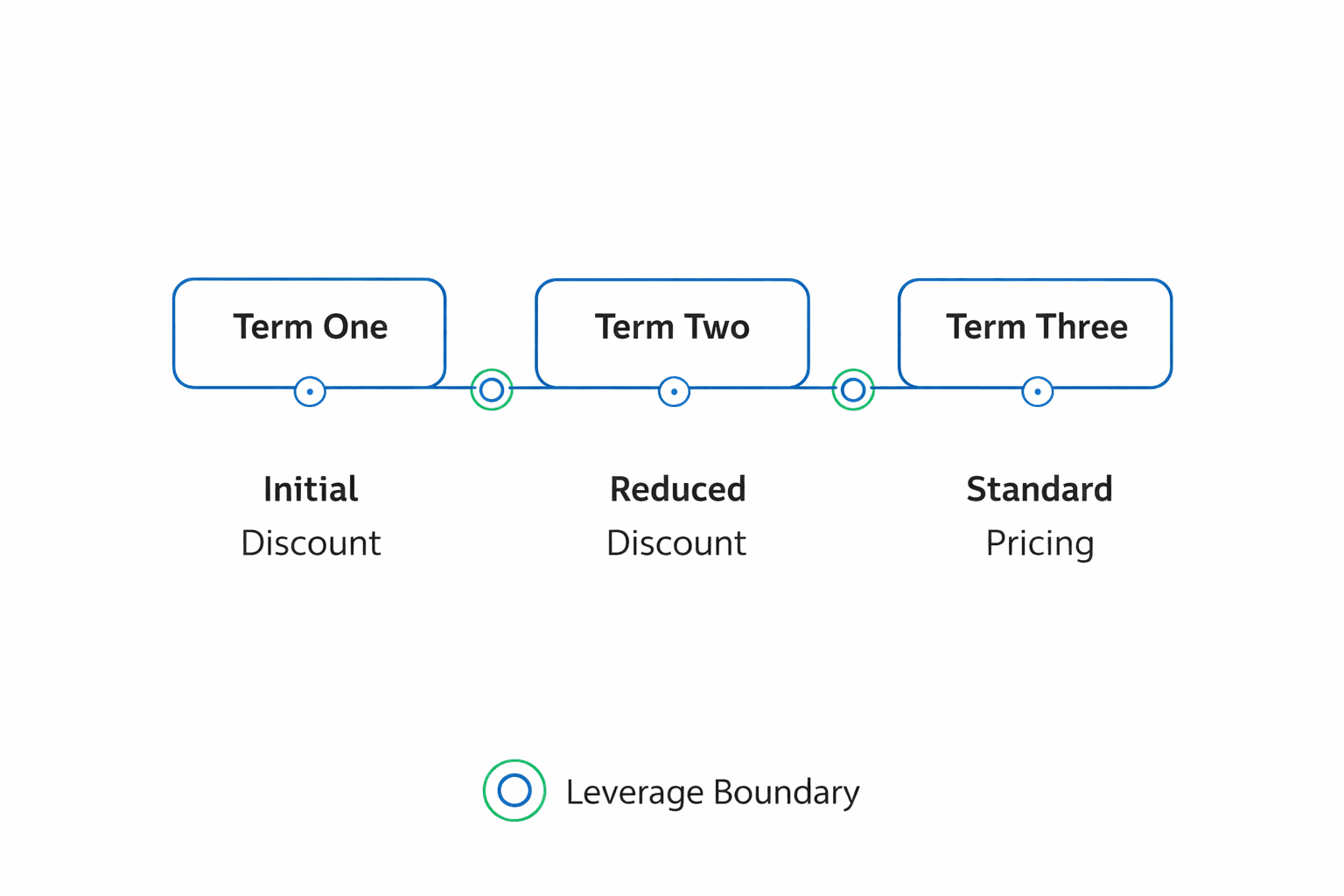
Pricing Memory Reset
Notice Window Compression
Renew on your terms, not the vendor’s
Watch how it works