Usage Drift
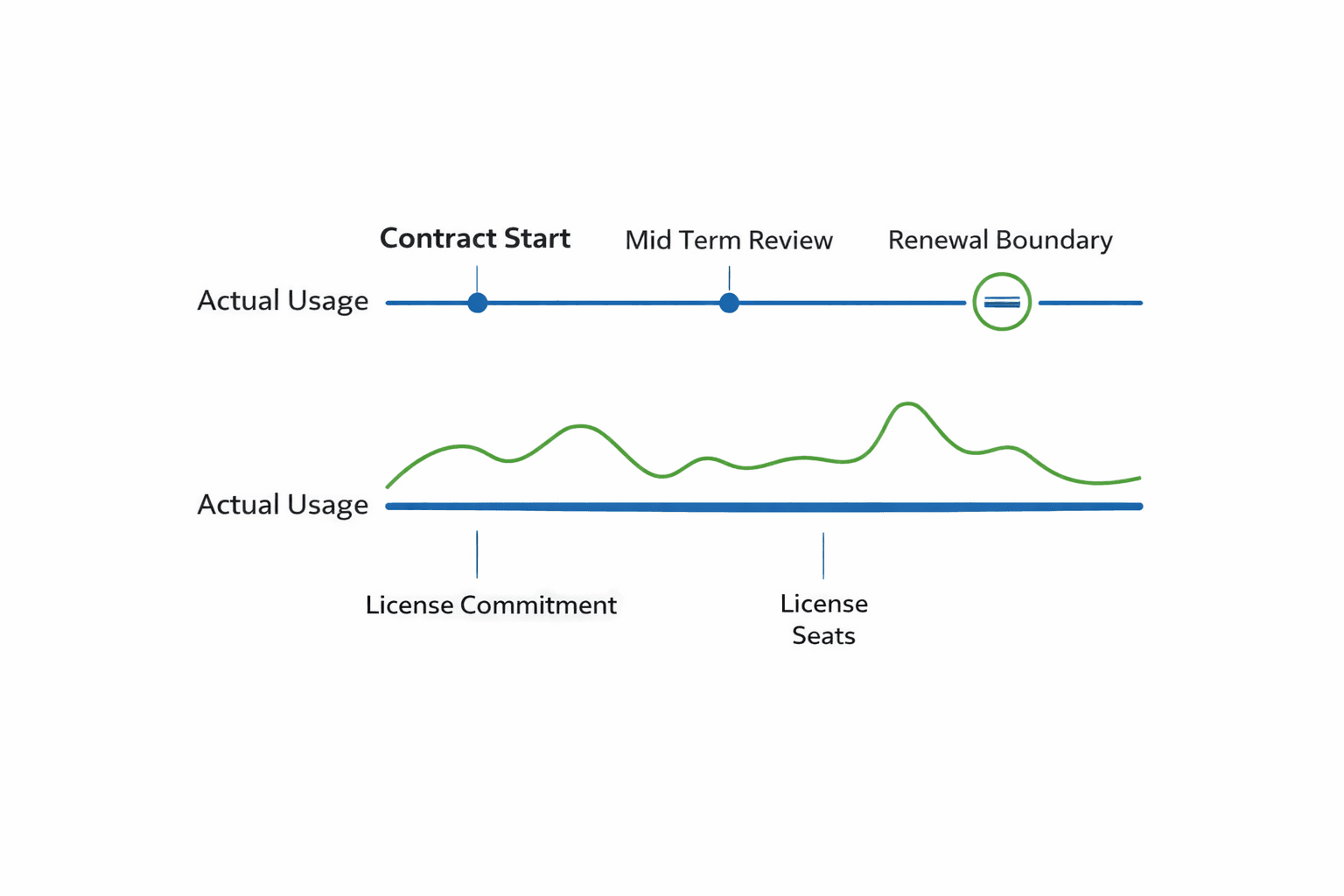
When licensed capacity diverges from actual product usage before renewal.
Author: Venduris team
What this signal means
Usage drift occurs when the number of purchased licenses no longer reflects how a product is actually used inside the organization.
This divergence can appear as unused capacity, under-provisioned teams, or uneven adoption across business units.
Without visibility into these changes before renewal discussions begin, contract commitments often continue unchanged.
Why it matters
Renewal leverage depends on understanding how software is used before negotiating its future scope.
When usage drift goes unmeasured:
unused licenses remain part of renewal commitments
vendors anchor pricing to historical seat levels
expansion assumptions replace actual utilization
downgrade opportunities disappear
internal stakeholders negotiate without evidence
Even small mismatches between entitlement and usage can accumulate into long-term structural overspend across the portfolio. 📉
Where it typically appears
Usage drift is common when:
license utilization is not reviewed before renewals
product adoption varies across teams
access provisioning is decentralized
seat counts reflect historical peaks rather than current needs
entitlement data lives outside contract workflows
These conditions allow commitments to persist independently from real usage patterns.
What strong teams do differently
Organizations that manage renewal decisions strategically treat usage data as a negotiation foundation rather than a reporting exercise.
They typically:
compare active users against committed licenses before renewal preparation begins
identify unused or inactive seats early
separate expansion needs from baseline commitments
align stakeholders around actual utilization trends
enter vendor discussions with structured evidence
Usage clarity strengthens negotiation credibility and improves contract flexibility. 📊
How Venduris detects this signal
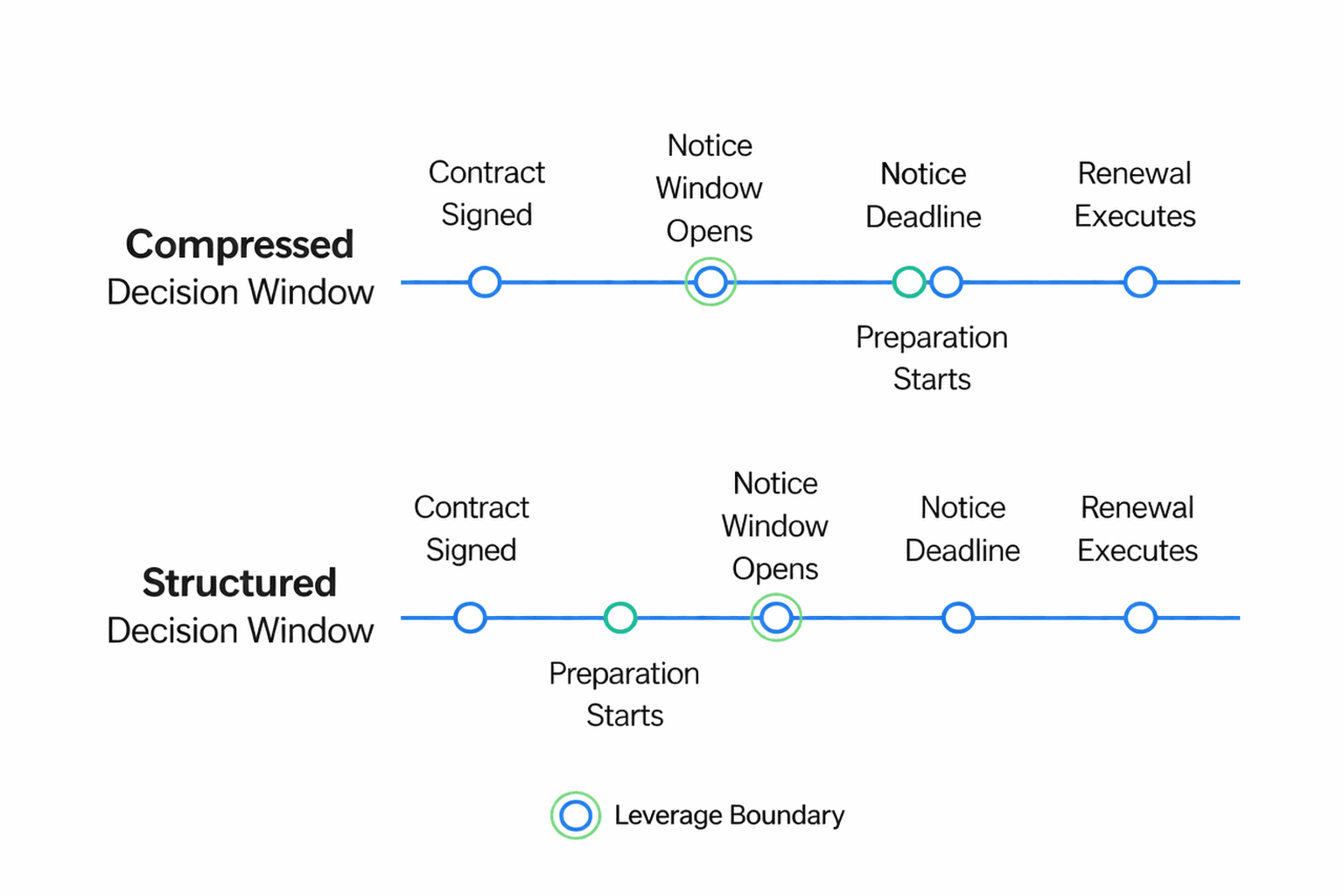
Venduris compares observed license utilization with contractual commitments and highlights mismatches before renewal decision windows close.
This allows teams to adjust commitments proactively and negotiate from verified usage baselines rather than historical assumptions.
Explore related renewal signals
Renewal Uplift Exposure
Commitment Carryforward Constraints (roll-over)
Key SaaS Contract Terms That Influence Renewal Outcomes
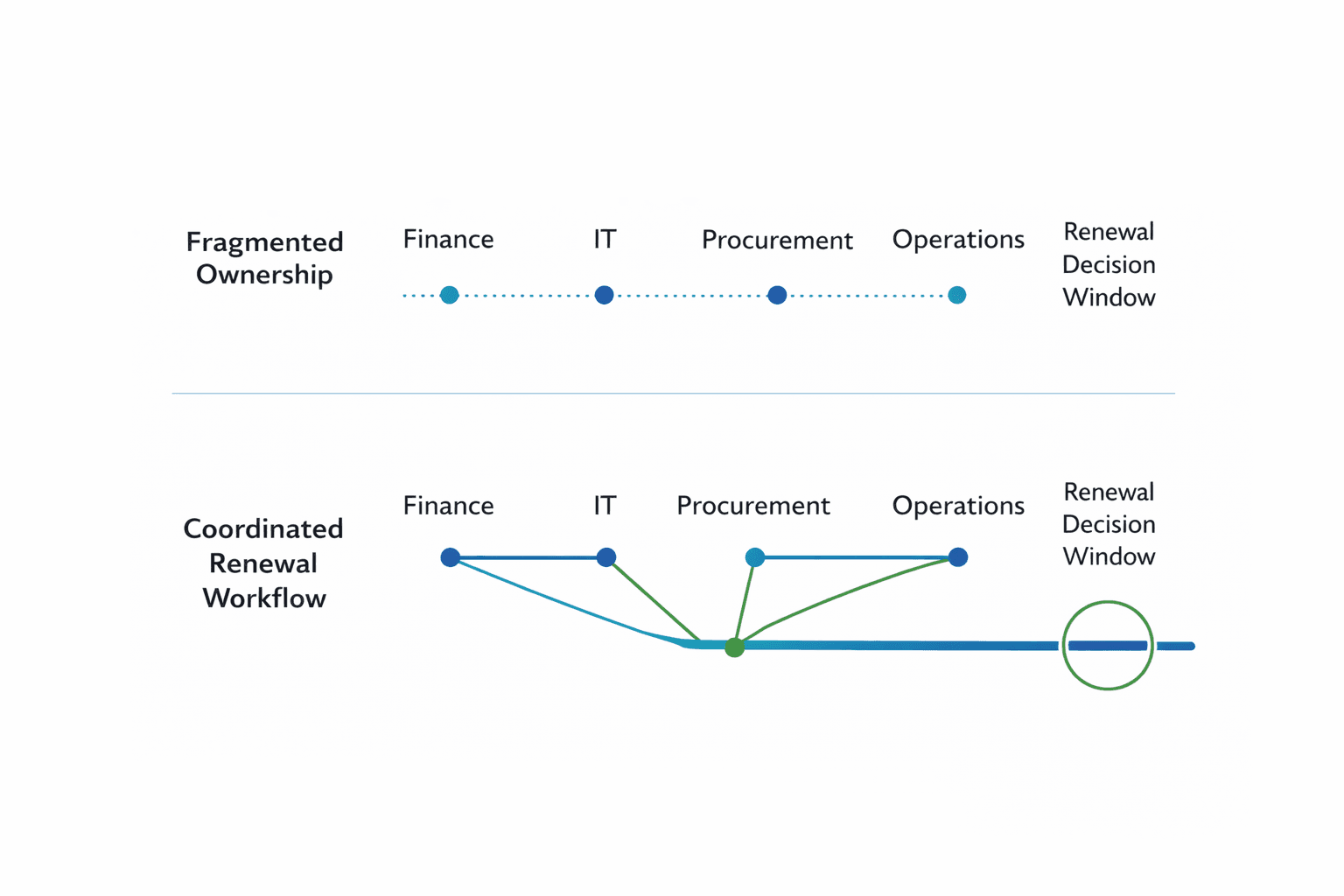
Stakeholder Fragmentation
Usage Drift
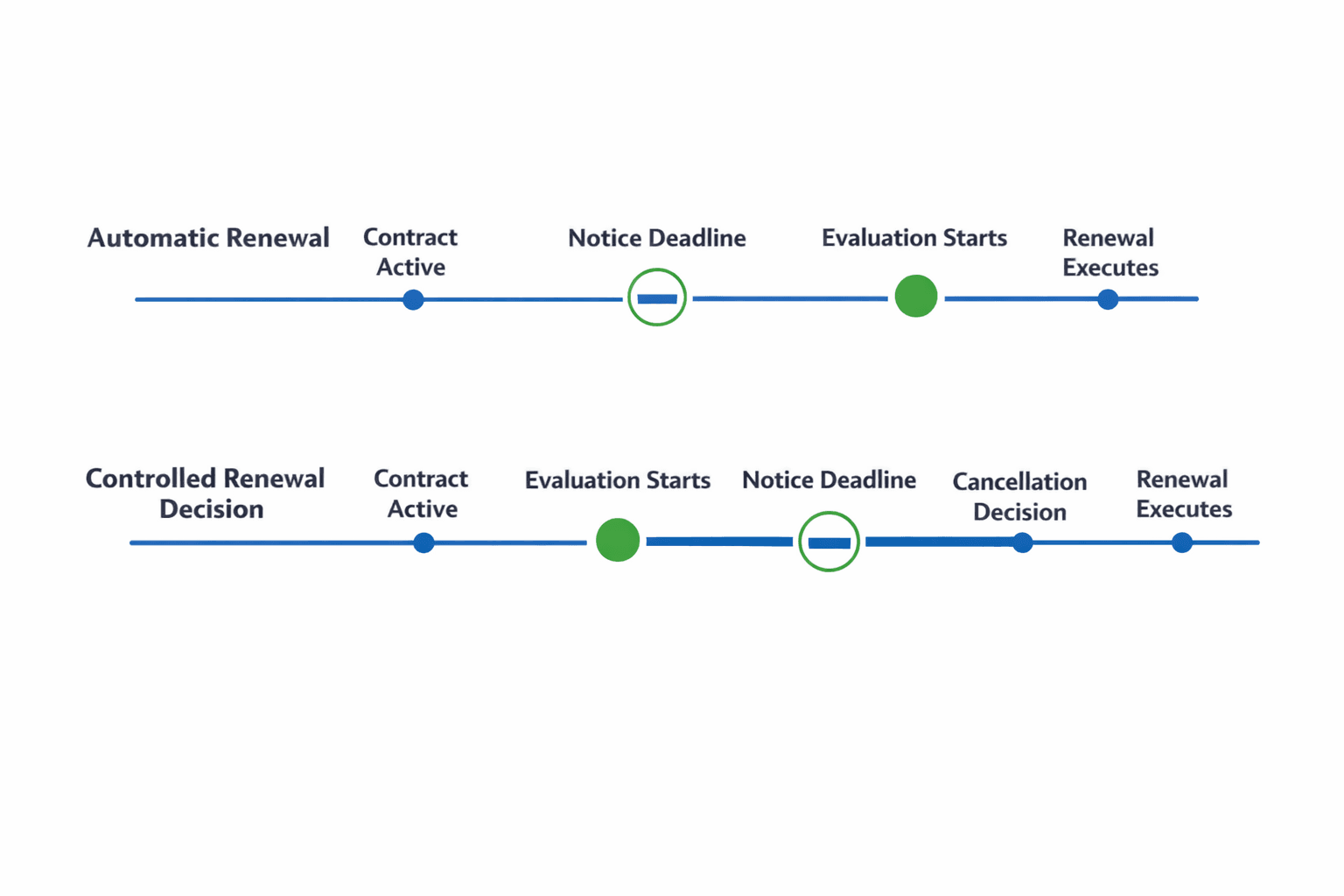
Auto-Renew Exposure
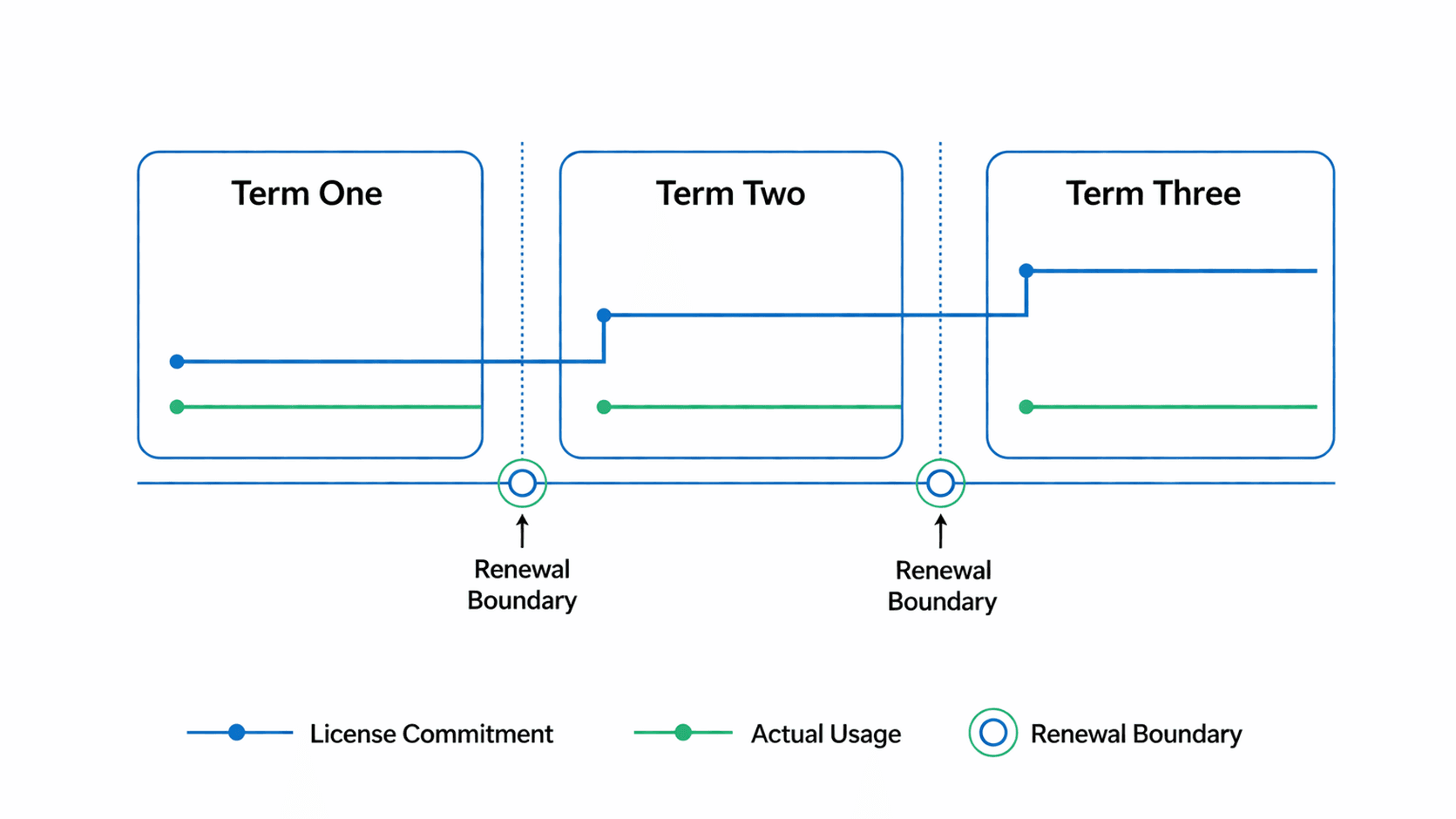
License Baseline Ratchet
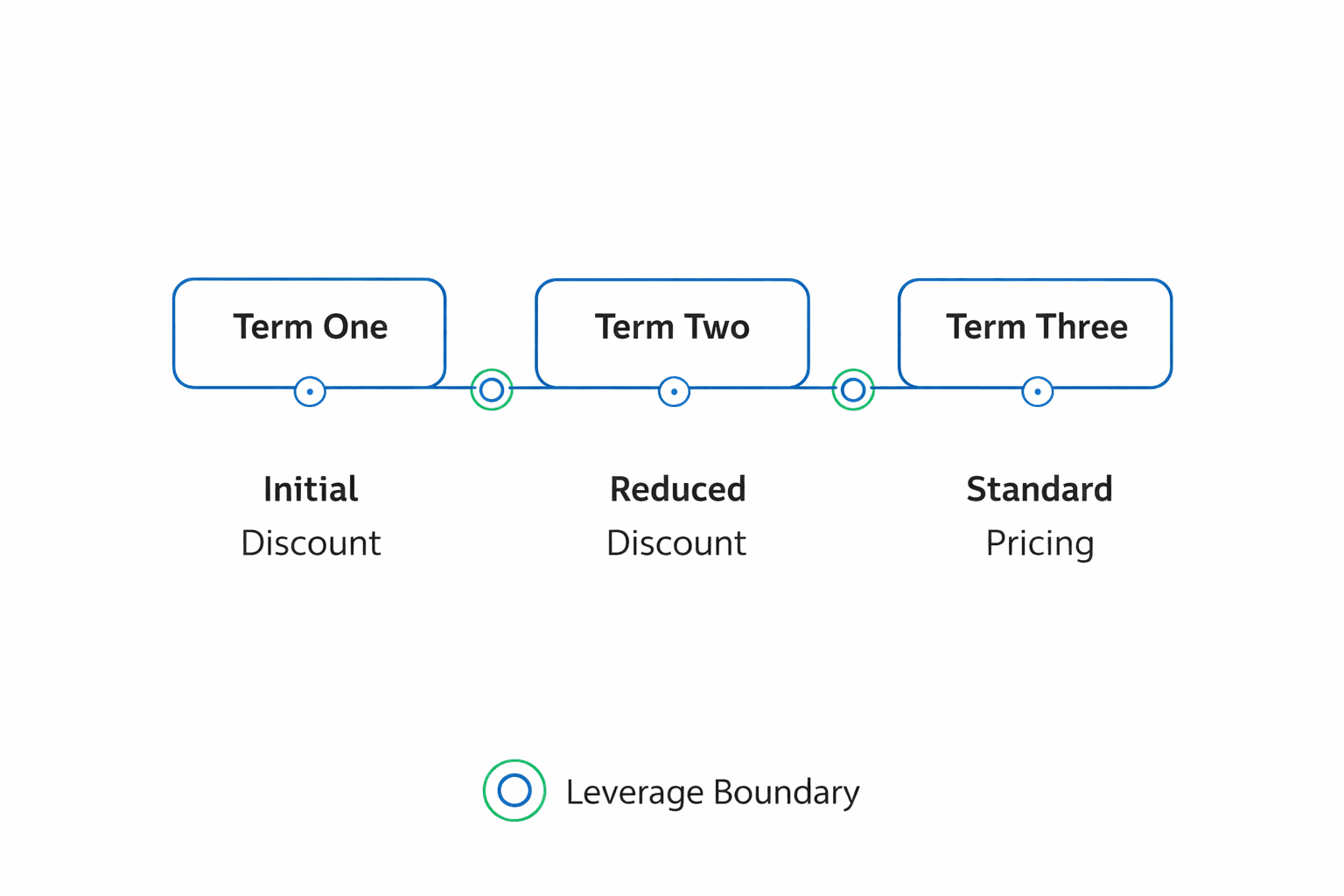
Pricing Memory Reset
Notice Window Compression
Renew on your terms, not the vendor’s
Watch how it works