How to Prioritize SaaS Renewals Across Your Vendor Portfolio
A practical framework for deciding which renewals require attention first and where negotiation effort delivers the highest savings impact.
5 min read
How finance, IT, and procurement teams identify which SaaS renewals require attention first and where preparation effort creates the greatest savings impact.
Introduction
Not all SaaS renewals require the same level of preparation.
Organizations that treat every renewal equally miss the vendors where negotiation leverage matters most.
Portfolio prioritization helps teams focus effort where it improves outcomes fastest.
Step 1
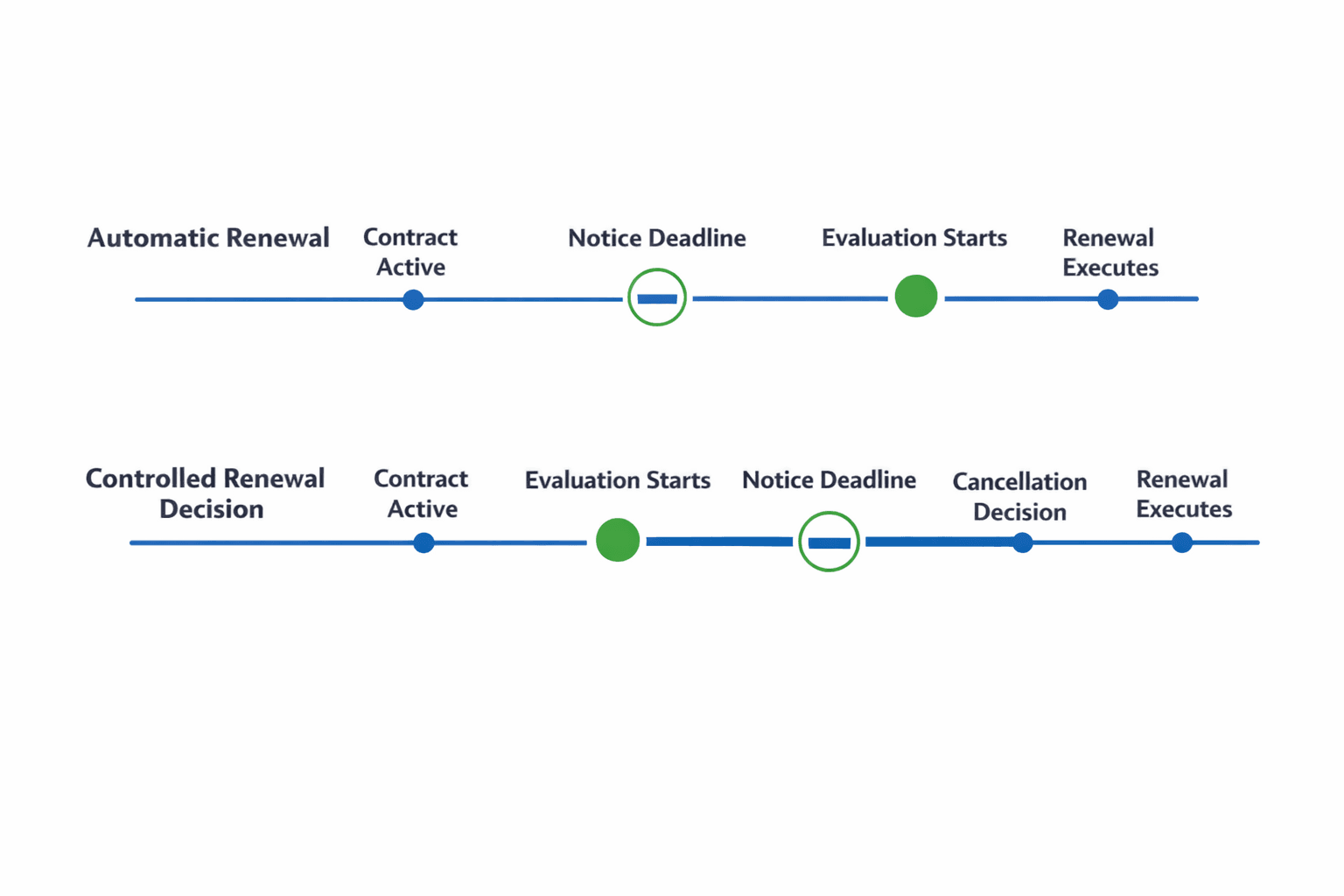
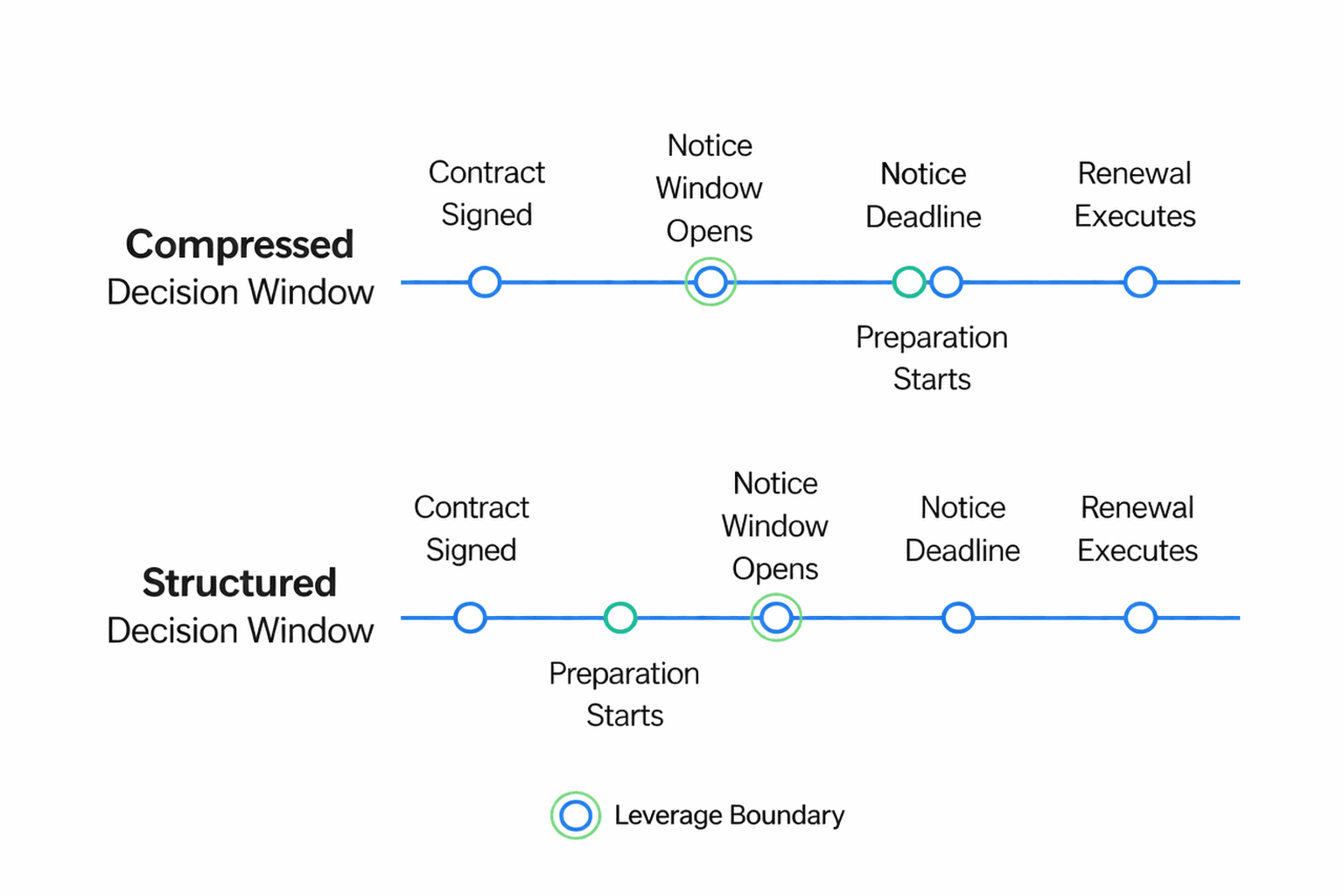
Identify contracts with timing risk
Start with vendors where:
notice deadlines are approaching
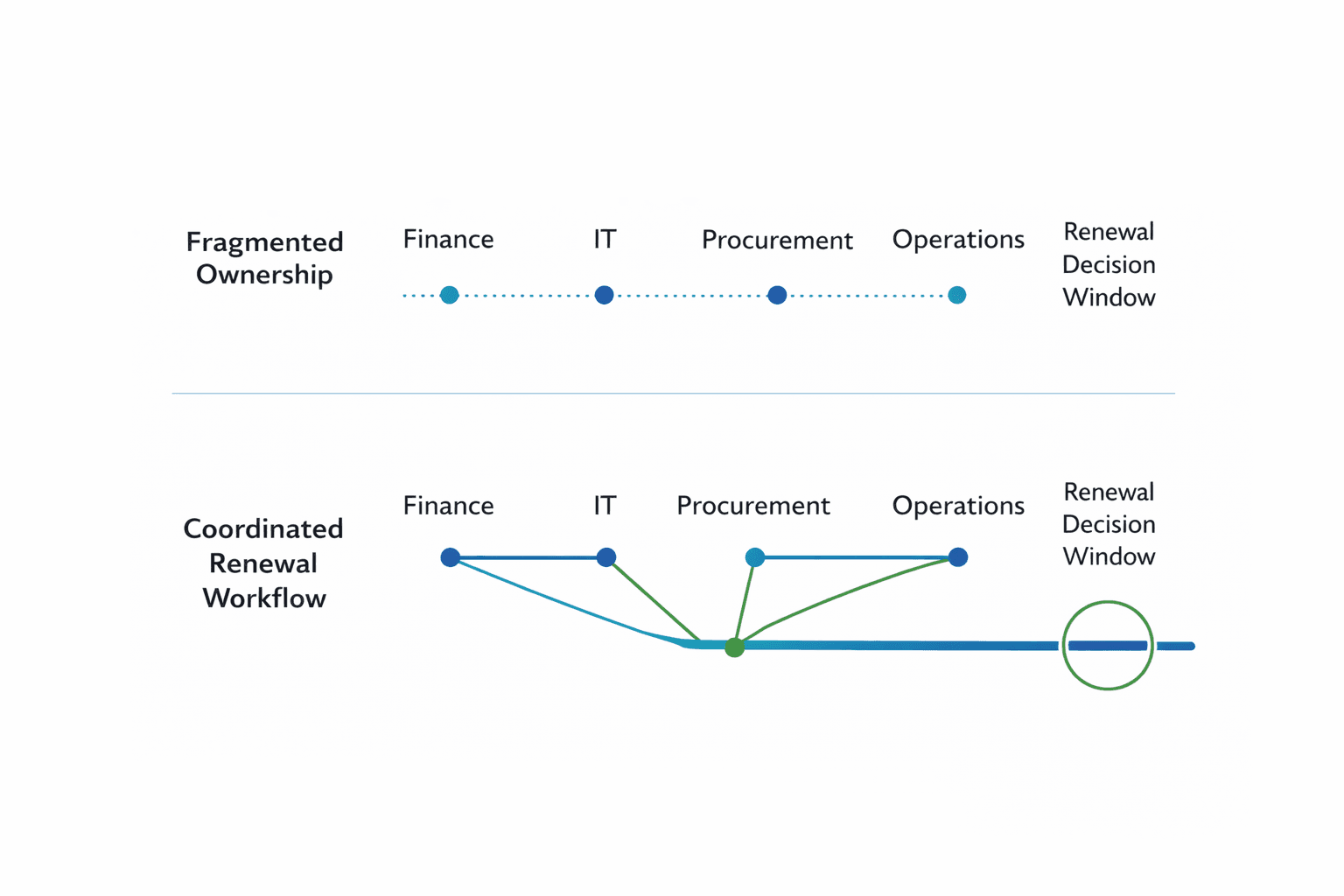
renewal ownership is unclear
evaluation has not started
These renewals carry the highest immediate exposure.
Step 2
Identify contracts with pricing risk
Look for:
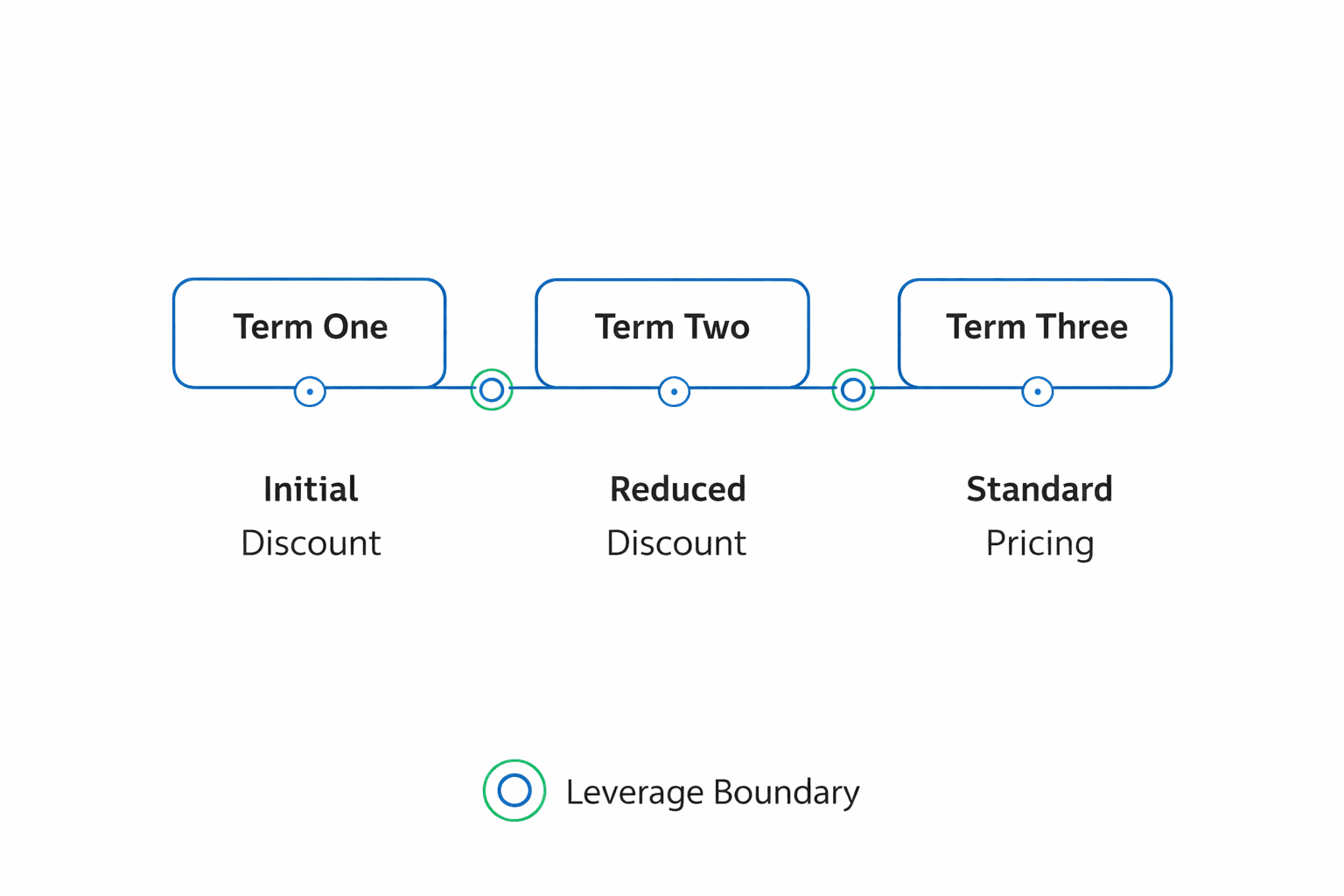
expiring discounts
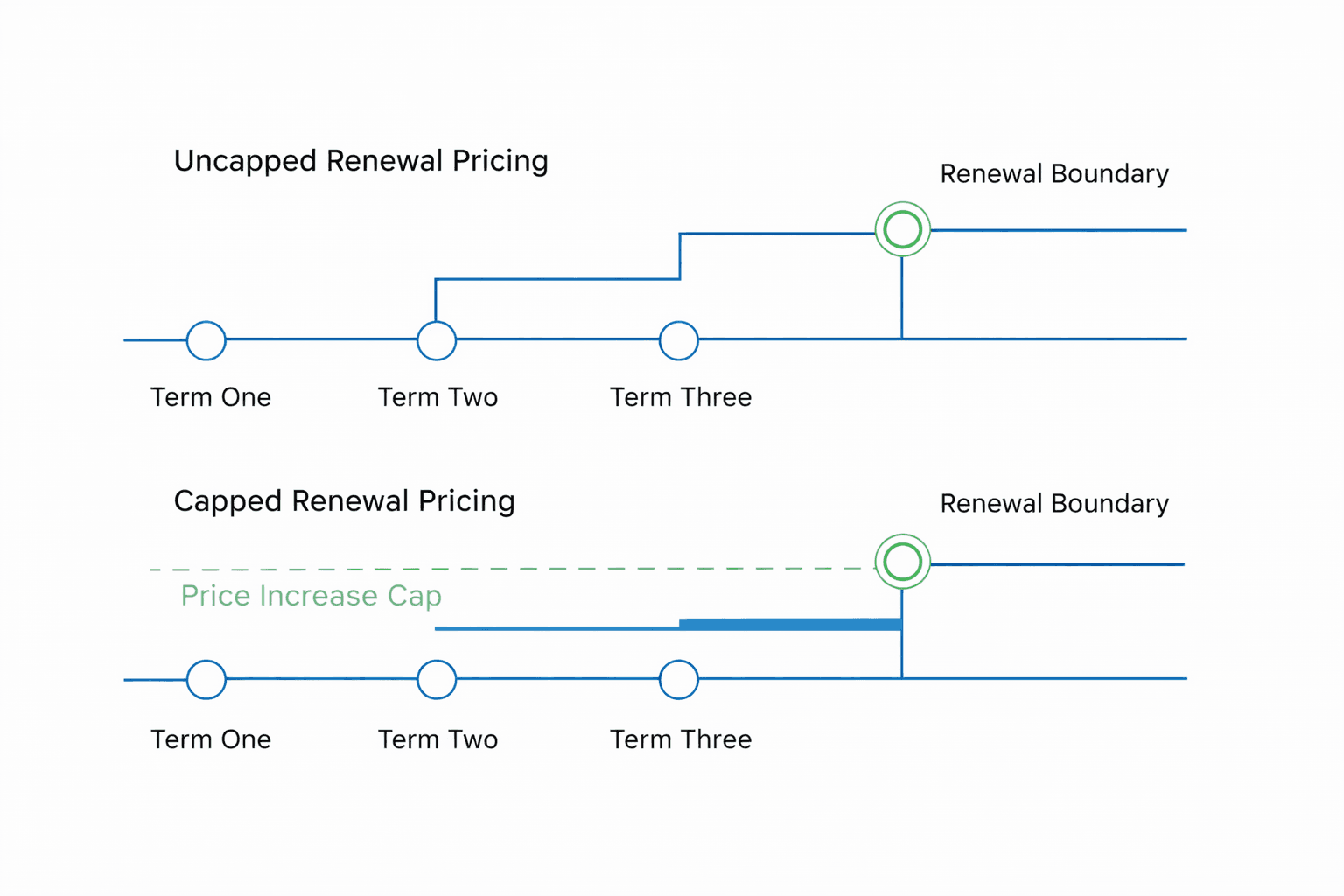
missing uplift caps
bundled renewals
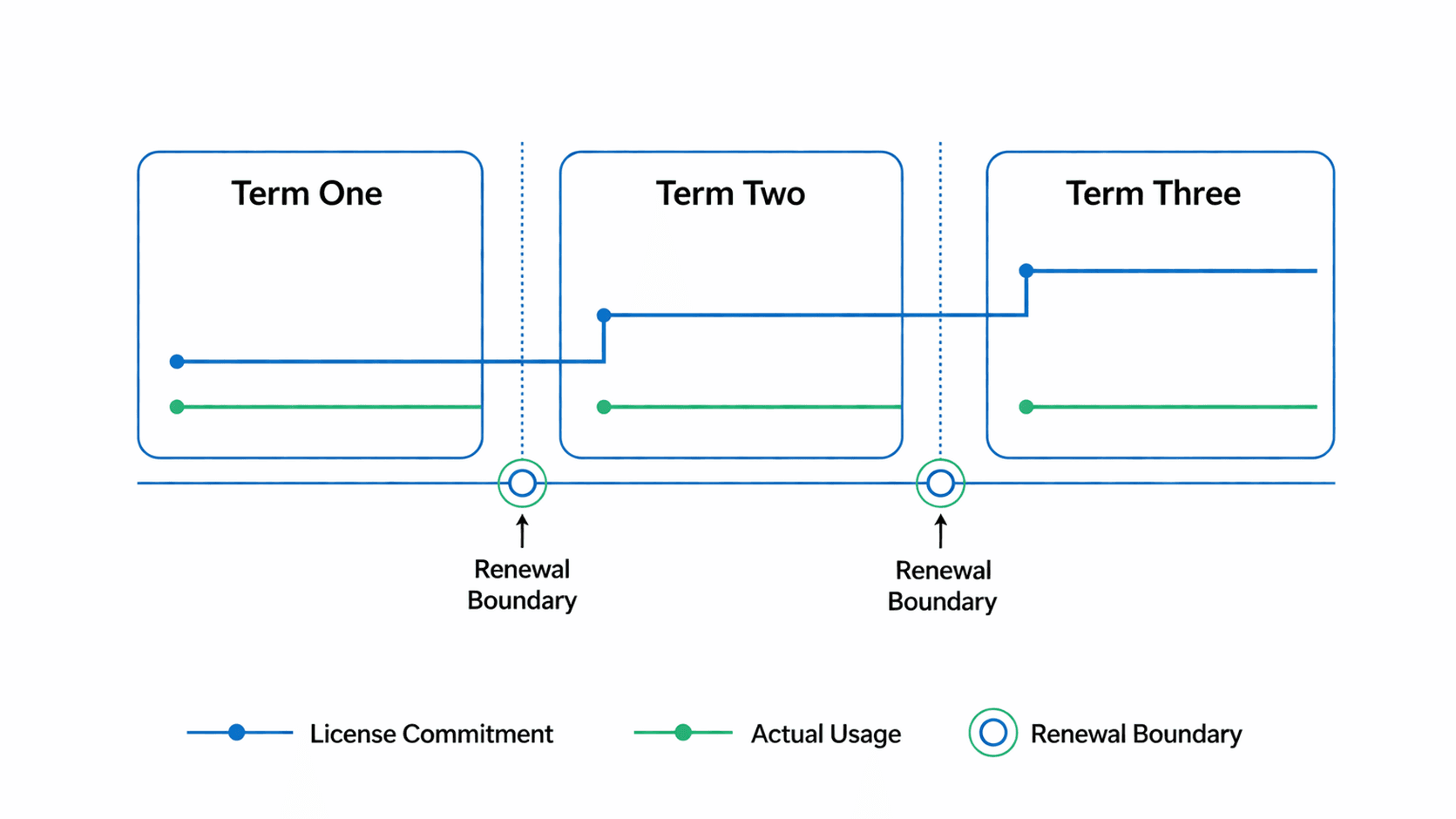
baseline increases
These contracts often reset pricing across terms.
Step 3
Identify contracts with usage risk
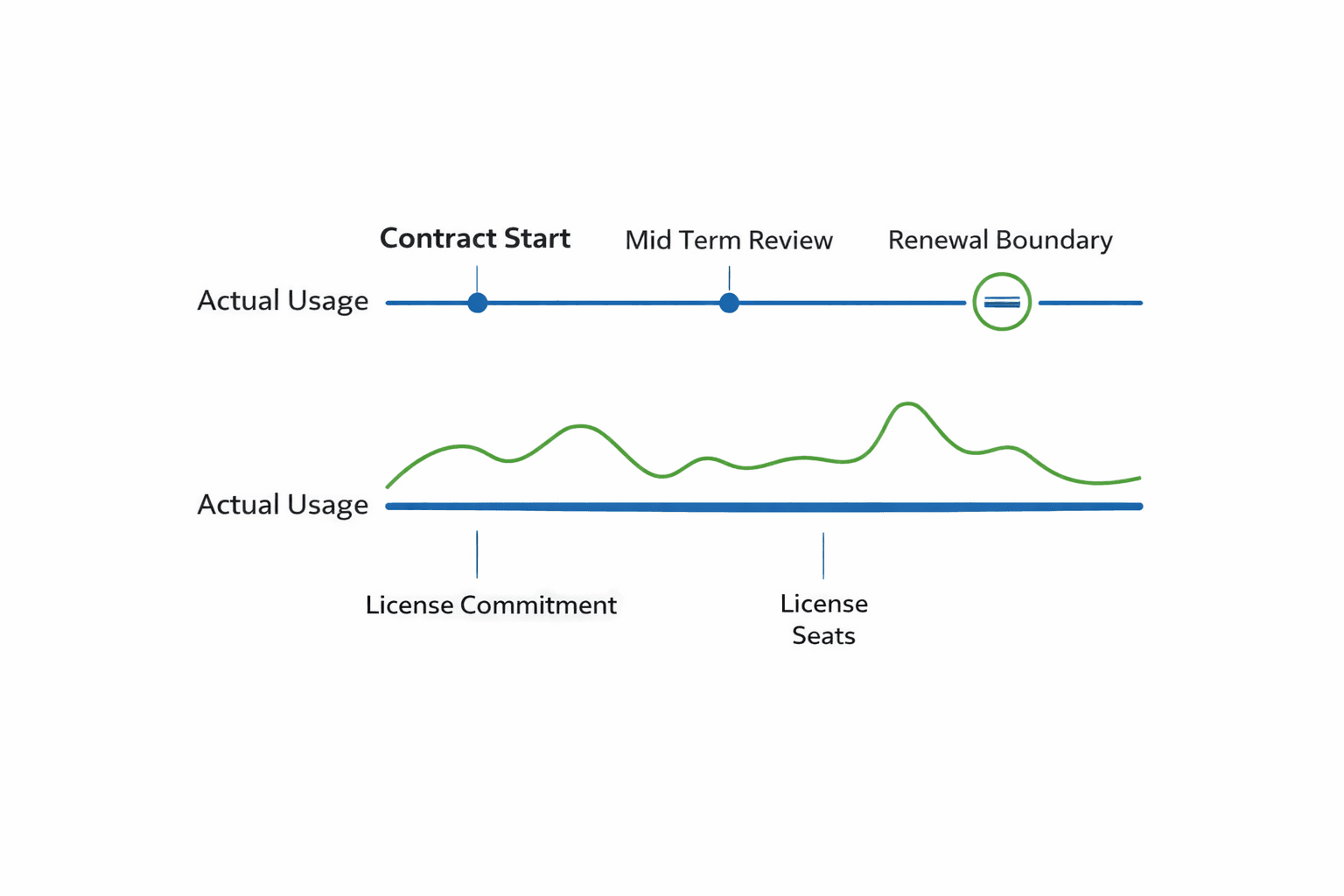
Compare:
licensed seats
active users
feature adoption
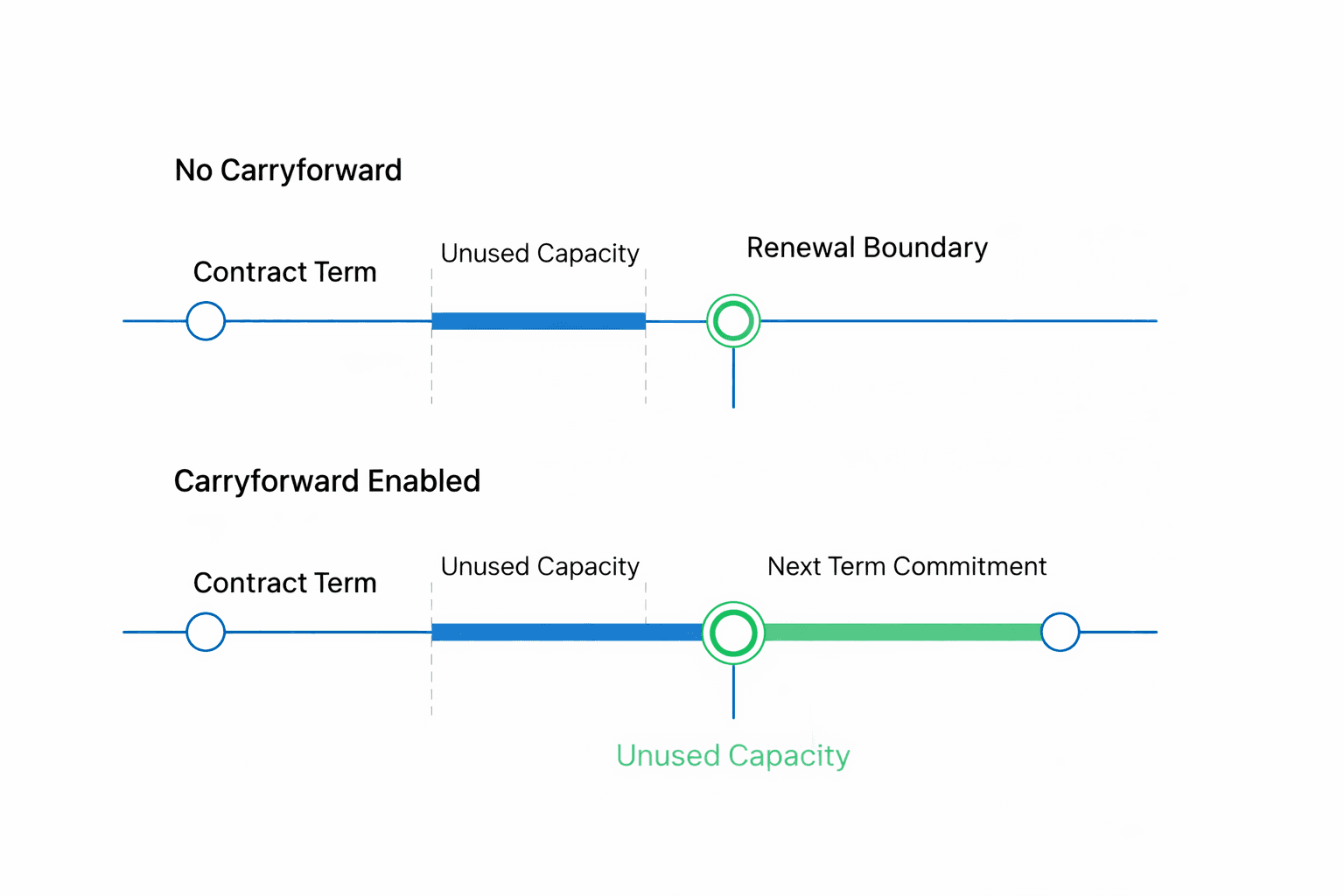
Usage drift creates downgrade opportunities before renewal commitments lock.
Step 4
Identify contracts with strategic flexibility
Prioritize vendors where:
alternatives exist
switching cost is moderate
dependencies are limited
These contracts produce the strongest negotiation leverage.
Step 5
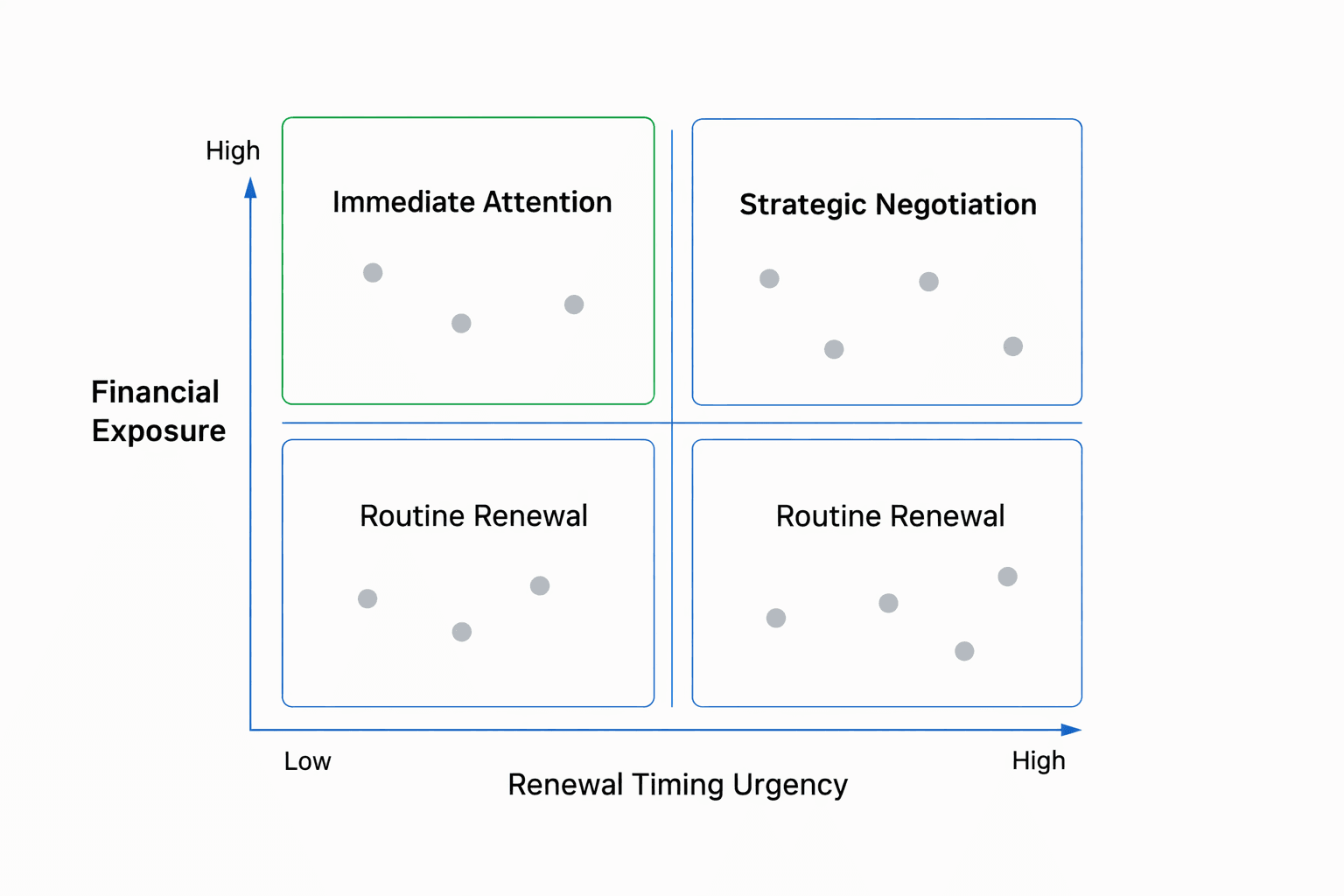
Build a renewal priority matrix
Classify vendors by:
timing urgency
financial exposure
usage alignment
replacement feasibility
This creates a structured renewal preparation roadmap.
Step 6
Sequence preparation across the renewal calendar
Instead of reacting to individual renewals, coordinate preparation across the portfolio.
Portfolio visibility improves:
decision timing
stakeholder alignment
pricing continuity
contract flexibility
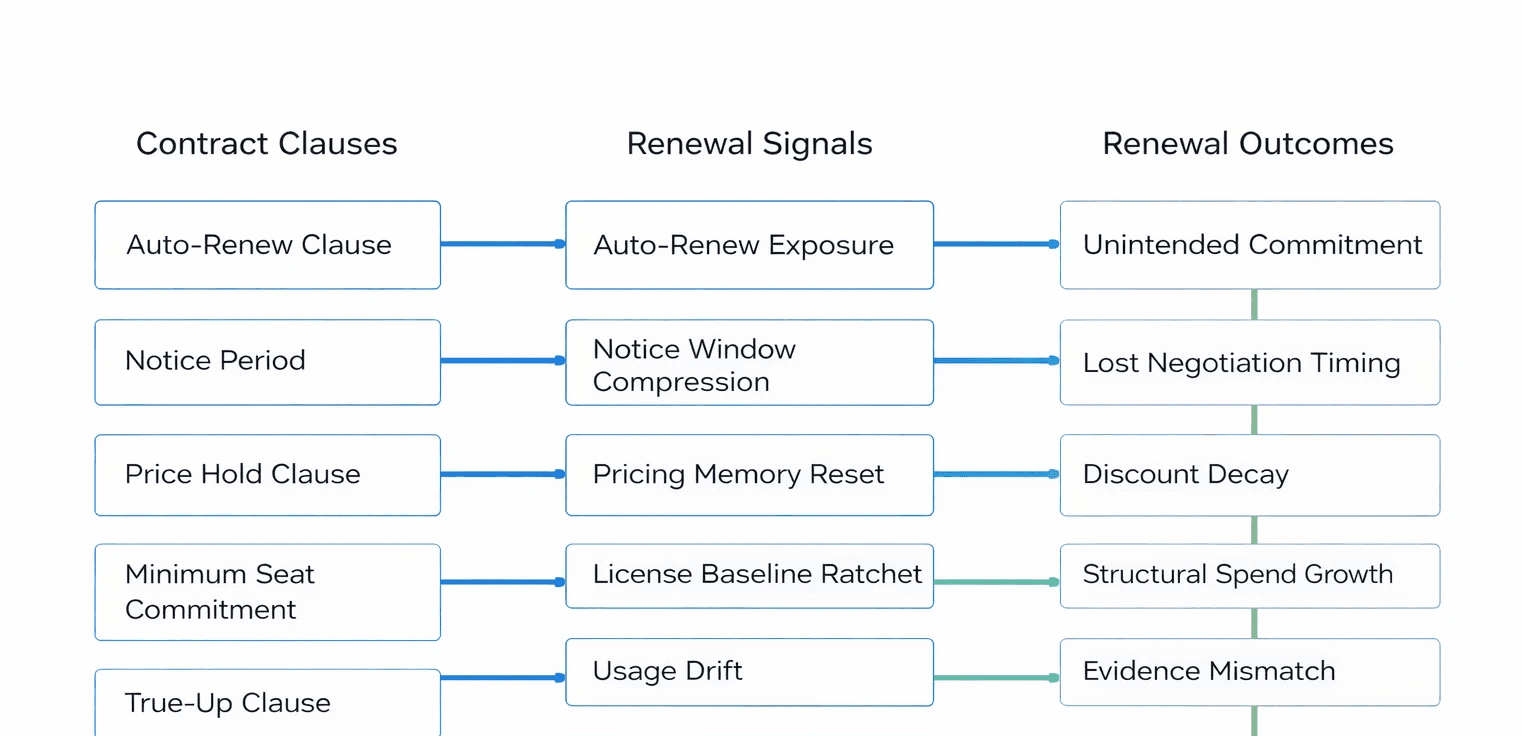
Explore related renewal signals
Renew on your terms, not the vendor’s
Watch how it works